



 Close Menu
 World
World
 Biography
 Health
 Education
 Business
 Lifestyle
 Sports
 Technology
 Animals
 History
 Food
Food
 Religious
 Startups
 Movies
 Politics
 Fashion
 Covid
Covid
 Diet
Diet
 Fitness
 Marketing
 Travel
 Science
 Reviews
 Social media
 Stories
 Facts
Facts
 Art
Art
 Entertainment
Mark Granger

Business
How to Use PLA and PETG Filaments: Tips for Optimal Prints
 Mark Granger
Are you looking to enhance your 3D printing skills by learning how to use PLA and PETG filaments effectively? Whether you are a beginner or an experienced maker, understanding the nuances of these popular 3D printing materials can help you achieve high-quality prints every time. In this comprehensive guide, we will provide you with valuable tips and tricks for optimizing your printing process with PLA and PETG filaments.
What is PLA Filament?
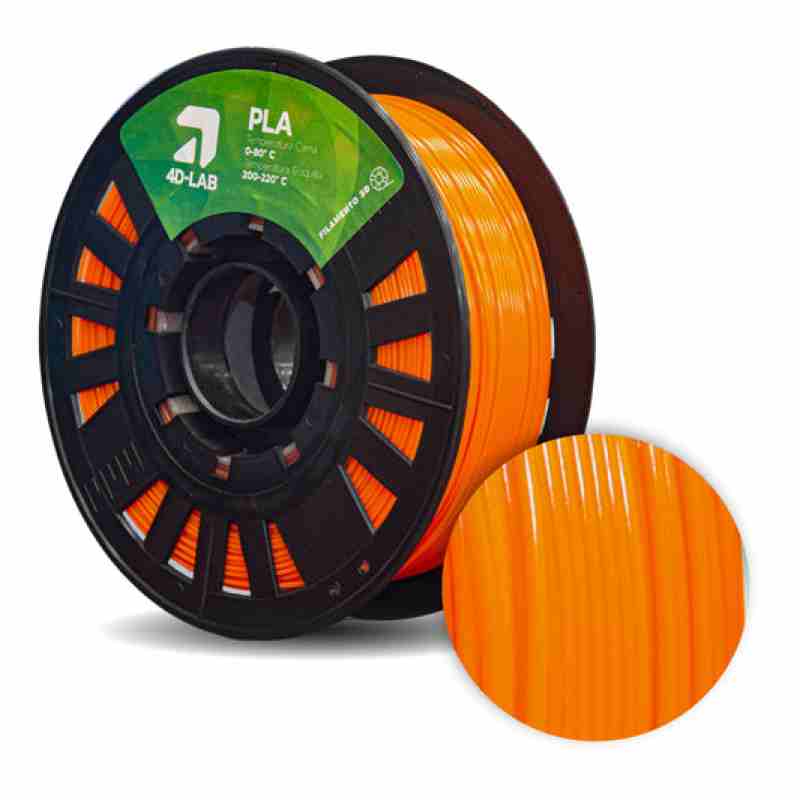
To begin with, let's delve into the world of PLA filament. PLA, or polylactic acid, is a biodegradable thermoplastic derived from renewable resources such as corn starch or sugarcane. It is known for its ease of use, low odor, and vibrant color options, making it a popular choice among 3D printing enthusiasts. PLA Filament is compatible with most FFF/FDM 3D printers and tends to produce less warping during printing compared to other materials.
Tips for Using PLA Filament
- Print Temperature: PLA filament typically prints best at temperatures ranging from 180°C to 220°C. Experiment with different temperatures to find the optimal setting for your specific printer and filament brand.
- Bed Adhesion: To prevent warping and ensure successful prints, use a heated bed set to around 50°C and apply a layer of adhesive such as blue painter's tape or glue stick.
- Cooling Fan: Enable the cooling fan on your printer to improve the quality of overhanging features and intricate details in your prints.
- Storage: Store your PLA filament in a dry, airtight container to prevent moisture absorption, which can lead to print quality issues.
What is PETG Filament?
Next, let's explore PETG filament, a versatile material that offers a balance between the ease of use of PLA and the durability of ABS. PETG, or polyethylene terephthalate glycol-modified, is known for its strength, flexibility, and impact resistance. It is a popular choice for functional parts, prototypes, and mechanical components due to its excellent layer adhesion and minimal shrinkage during printing.
Tips for Using PETG Filament
- Print Temperature: PETG filament requires a higher printing temperature compared to PLA, typically between 230°C and 250°C. Adjust the temperature settings based on the specific brand and color of filament you are using.
- Bed Adhesion: Use a heated bed set to around 80°C to promote adhesion and reduce the risk of warping. Consider using a build surface such as PEI or BuildTak for optimal results.
- Enclosure: PETG filament is prone to moisture absorption, so consider printing in an enclosed chamber to maintain consistent printing conditions and prevent delamination.
- Cooling: Unlike PLA, PETG benefits from minimal cooling during printing to avoid layer adhesion issues and achieve smoother surfaces.
Conclusion
In conclusion, mastering the art of using PLA and PETG Filament can take your 3D printing skills to the next level. By following the tips outlined in this guide, you can optimize your printing process, troubleshoot common issues, and achieve high-quality prints with ease. Remember to experiment with different settings, observe your prints carefully, and continuously refine your techniques to unleash the full potential of these versatile materials. Happy printing!
Source:
Click for the: Full Story
You might like