



 Close Menu
 World
World
 Biography
 Health
 Education
 Business
 Lifestyle
 Sports
 Technology
 Animals
 History
 Food
Food
 Religious
 Startups
 Movies
 Politics
 Fashion
 Covid
Covid
 Diet
Diet
 Fitness
 Marketing
 Travel
 Science
 Reviews
 Social media
 Stories
 Facts
Facts
 Art
Art
 Entertainment
Rishika Shree

Health
Post-Traumatic Stress Disorder
 Rishika Shree
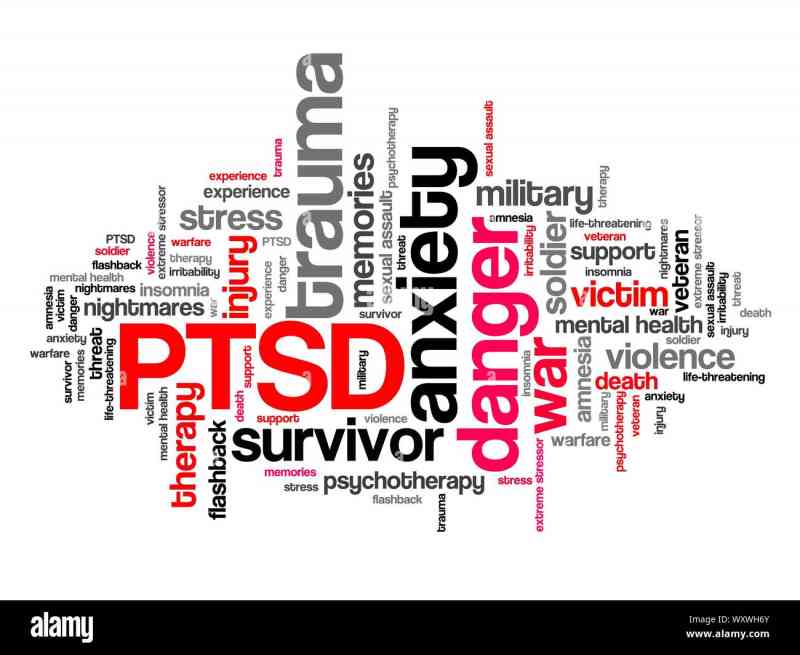
Post-traumatic stress disorder, also known as PTSD and formerly known as shell shock or battle fatigue syndrome is an anxiety disorder, a kind of mental condition where one is unable to cope with any terrifying experience. The anxiety when the traumatic experience is triggered can be in the state of mental forms like nightmares and flashbacks or physical forms like panic attacks, nervous sweating and increased heart rate.
One of the most common examples of PTSD in war veterans, where, while on duty when they see their people and friends getting severely injured or dying can lead to them experiencing war flashbacks and having nightmares, even when they are back home. The witnessing of such scenes causes the mind to get triggered when faced with similar situations. Sometimes the condition can be so severe, that PTSD can last up to years. PTSD can start within a month after experiencing a traumatic experience, however, sometimes the symptoms are not noticed until years after the experience. It can be hard to live with PTSD, patients are often unable to forget about the experience and keep reliving them in their minds. This can hamper their day-to-day activities, work and even social situations and personal relationships.
Symptoms for diagnosing PTSD in a person are:
Reliving- People with PTSD repeatedly relive the horrifying ordeal through nightmares, flashbacks and hallucinations. More often than not these reactions are triggered or heightened when something reminds them of the trauma again, like the death anniversary of a loved one.
Avoiding- Sometimes people with PTSD avoid certain places or situations that remind them of the trauma. This can hamper a lot of personal relationships and lead to the feeling of isolation and detachment from people. The fear of triggering a reaction keeps one from participating in a lot of activities and hence missing out on things that the person used to enjoy once.
Negative cognition- These are related to the thoughts of blame and estrangement from the memories of the event.
Treatment for PTSD differs from person to person, but usually includes psychotherapy and proper medications.
Source:
Click for the: Full Story
You might like








You Might Like this