


 Close Menu
 World
World
 Biography
 Health
 Education
 Business
 Lifestyle
 Sports
 Technology
 Animals
 History
 Food
Food
 Religious
 Startups
 Movies
 Politics
 Fashion
 Covid
Covid
 Diet
Diet
 Fitness
 Marketing
 Travel
 Science
 Reviews
 Social media
 Stories
 Facts
Facts
 Art
Art
 Entertainment
Oakridge Family Dental
Health
Dental Crowns and Bridges: Benefits, Types & Cost
 Oakridge Family Dental
Dental health plays an important role in overall well-being, and damaged or missing teeth can affect both your smile and daily functions like eating and speaking. Fortunately, modern dentistry offers effective solutions such as dental crowns and bridges to restore the strength, appearance, and function of your teeth. At Oakridge Family Dental in Vancouver, these treatments are commonly used to repair damaged teeth and replace missing ones, helping patients regain a confident smile.
In this article, we will explain what dental crowns and bridges are, their benefits, types, procedures, and typical costs.
What Are Dental Crowns and Bridges?
Dental crowns and bridges are restorative dental treatments designed to repair or replace teeth.
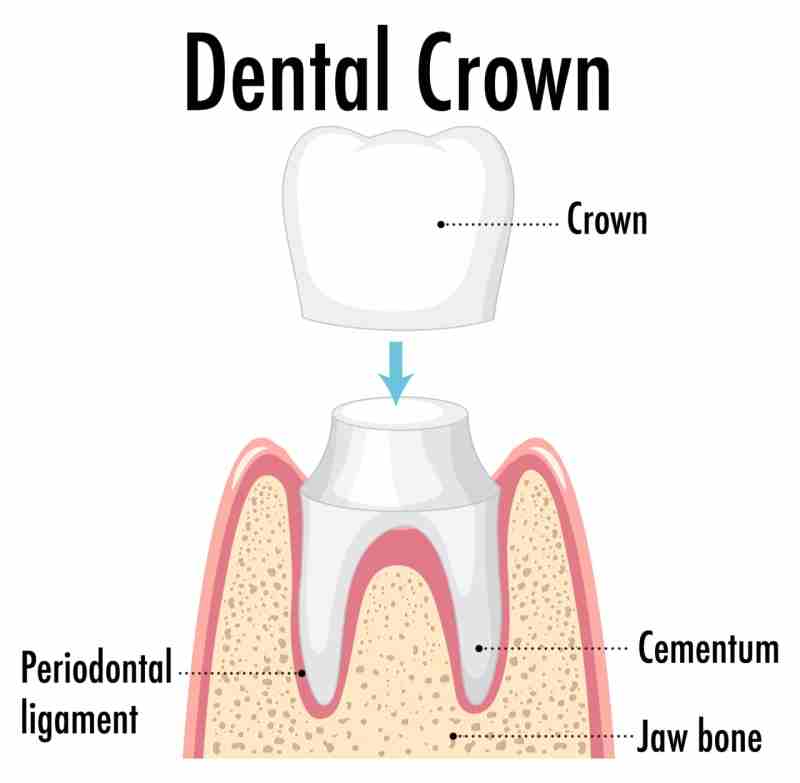
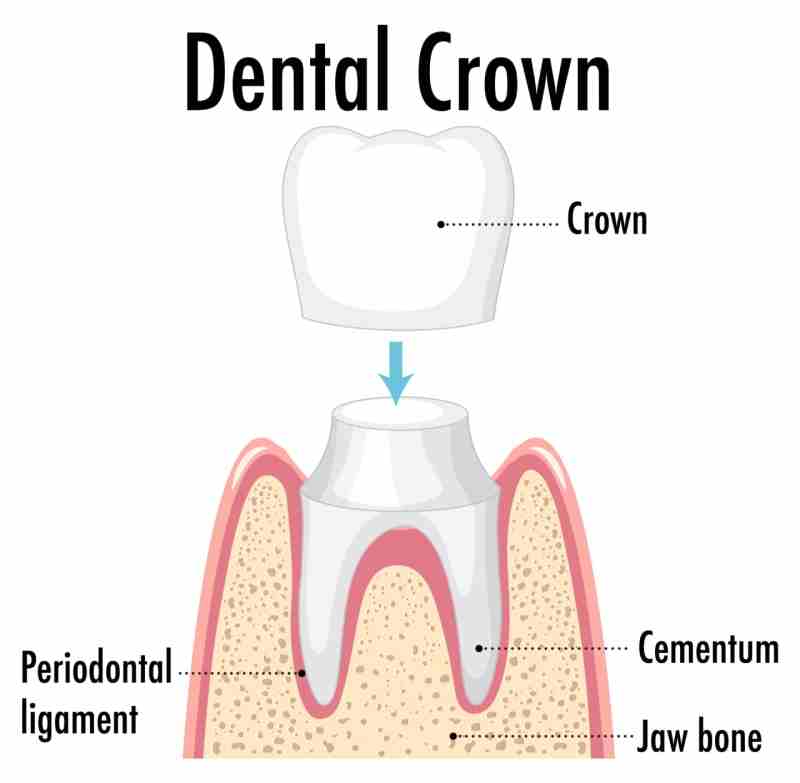
A dental crown is a custom-made cap placed over a damaged or weakened tooth. It restores the tooth’s shape, size, and strength while improving its appearance. Many people also refer to this as tooth cap treatment.
A dental bridge, on the other hand, is used to replace one or more missing teeth. It literally “bridges” the gap created by missing teeth by using neighboring teeth or implants as support.
Both treatments are long-lasting and are commonly recommended for broken tooth repair, severe decay, or missing teeth.
Benefits of Dental Crowns and Bridges
Choosing dental crowns and bridges offers several benefits for both oral health and appearance.
Restore Tooth Strength
Crowns protect weak or cracked teeth from further damage. They are especially useful after root canal treatment or significant tooth decay.
Improve Appearance
Crowns and bridges are designed to match the color and shape of natural teeth, improving the overall look of your smile.
Replace Missing Teeth
A dental bridge fills the gap left by missing teeth, preventing surrounding teeth from shifting out of place.
Improve Chewing and Speech
Missing or damaged teeth can affect how you chew and speak. These restorations restore normal function.
Long-Lasting Solution
With proper care, dental crowns and bridges can last many years, making them a reliable investment in oral health.
Types of Dental Crowns
There are several types of crowns available, and your dentist will recommend the best option depending on your dental condition and aesthetic preferences.
Porcelain Dental Crown
A porcelain dental crown is one of the most popular choices because it closely resembles natural tooth enamel. It is commonly used for front teeth due to its natural appearance.
Ceramic Dental Crown
A ceramic dental crown is metal-free and highly aesthetic. It is ideal for patients who prefer a natural-looking restoration or have metal sensitivities.
Zirconia Dental Crown
A zirconia dental crown is known for its exceptional strength and durability. It is a great option for back teeth that experience heavy chewing pressure.
Temporary Dental Crown
A temporary dental crown is placed over the tooth while your permanent crown is being created in a dental lab. It protects the prepared tooth and allows normal function until the final crown is ready.
Types of Dental Bridges
Dental bridges also come in different types depending on the patient’s needs.
Fixed Dental Bridge
A fixed dental bridge is the most common type. It is supported by dental crowns placed on the teeth next to the gap. The artificial tooth (pontic) fills the missing space.
Implant Supported Bridge
An implant supported bridge uses dental implants instead of natural teeth for support. This option is highly stable and helps preserve jawbone health.
Crown Placement Procedure
The crown placement procedure usually requires two dental visits.
First Visit: Tooth Preparation
During the first appointment, the dentist examines the tooth and prepares it by removing any decay or damaged structure. The tooth is then reshaped so the crown can fit properly. Impressions of the tooth are taken and sent to a dental lab where the custom crown is created.
A temporary dental crown is placed to protect the tooth until the final crown is ready.
Second Visit: Permanent Crown Placement
Once the permanent crown is ready, the dentist removes the temporary crown and checks the fit and color of the new one. The crown is then securely bonded to the tooth using dental cement.
This tooth cap treatment restores both the strength and appearance of the tooth.
When Are Dental Crowns and Bridges Recommended?
Dentists may recommend dental crowns and bridges in several situations, including:
- Severe tooth decay that cannot be repaired with fillings
- Cracked or damaged teeth requiring broken tooth repair
- Teeth weakened after root canal treatment
- Missing teeth that need replacement
- Cosmetic improvements for discolored or misshapen teeth
These restorations help restore oral function while preventing further dental complications.
Caring for Your Dental Crowns and Bridges
Proper care can significantly extend the lifespan of your crowns and bridges. Follow these simple tips:
- Brush your teeth twice daily
- Floss regularly, especially around bridge areas
- Avoid chewing very hard foods
- Visit your dentist for regular checkups and cleanings
Good oral hygiene helps keep both the restoration and surrounding teeth healthy.
Final Thoughts
Dental crowns and bridges are reliable and effective treatments for restoring damaged or missing teeth. Whether you need broken tooth repair, a porcelain dental crown, or an implant supported bridge, these solutions can improve both function and appearance.
If you are considering tooth cap treatment or replacing missing teeth, the experienced team at Oakridge Family Dental in Vancouver can guide you through the process and help you choose the best option for your smile.
Investing in the right dental restoration today can help you enjoy a healthier, more confident smile for years to come.
Source:
Click for the: Full Story
You might like