


 Close Menu
 World
World
 Biography
 Health
 Education
 Business
 Lifestyle
 Sports
 Technology
 Animals
 History
 Food
Food
 Religious
 Startups
 Movies
 Politics
 Fashion
 Covid
Covid
 Diet
Diet
 Fitness
 Marketing
 Travel
 Science
 Reviews
 Social media
 Stories
 Facts
Facts
 Art
Art
 Entertainment
stackiot technology
Technology
Electronic Shelf Labels Transform Modern Retail Pricing
 stackiot technology
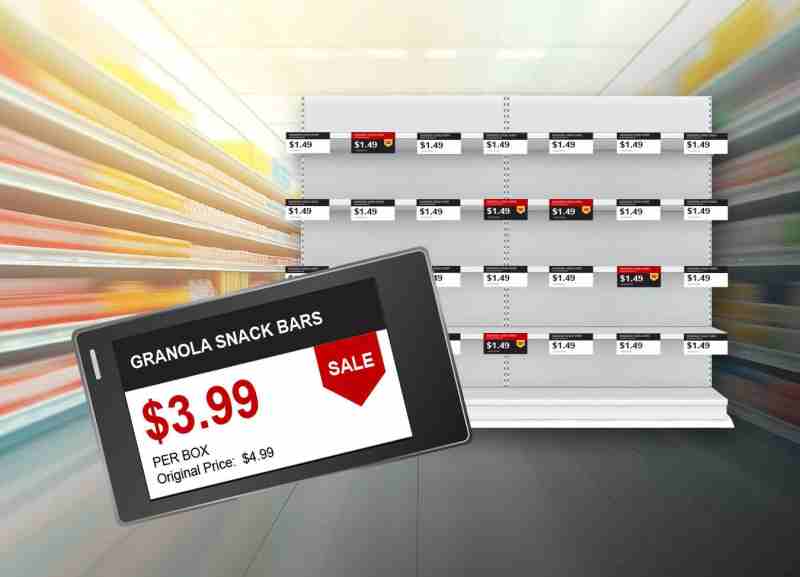
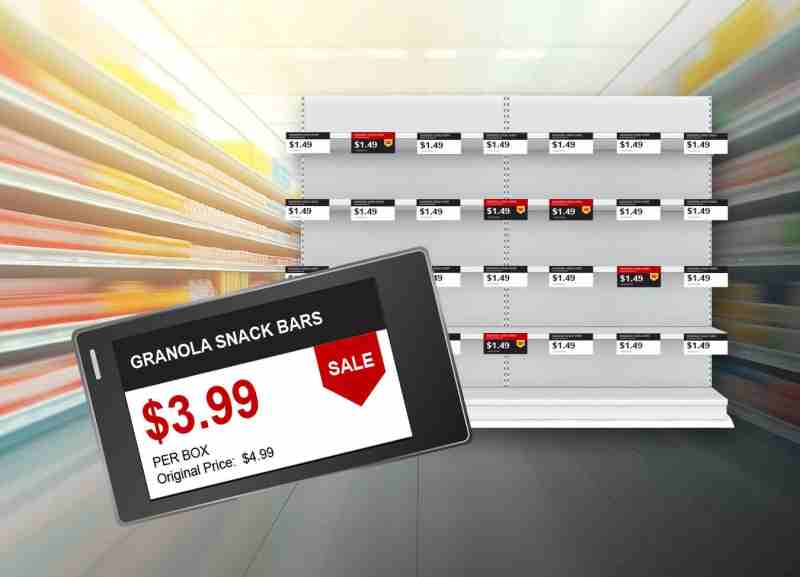
Electronic shelf labels (ESLs) are becoming an essential part of modern retail operations because they help stores manage pricing, promotions, and product information more efficiently. These digital labels replace traditional paper price tags and are usually attached to store shelves to display product prices, barcodes, promotional messages, and other important information. As retail businesses continue to focus on automation and customer convenience, electronic shelf labels are helping stores improve both operational accuracy and shopping experience.
One of the main advantages of electronic shelf labels is real-time price management. In traditional retail environments, staff members must manually replace paper tags whenever prices change. This process can be time-consuming, especially in supermarkets, hypermarkets, and stores with thousands of products. With electronic shelf labels, prices can be updated instantly through a centralized system. A retailer can adjust the pricing of hundreds or even thousands of products in seconds, ensuring that shelf prices always match billing system data.
Accuracy is another major benefit of using electronic shelf labels. Pricing mistakes often lead to customer dissatisfaction and can damage trust in a retail brand. If the shelf price and checkout price differ, customers may question the reliability of the store. Electronic shelf labels reduce these errors because the pricing system automatically updates labels across the store. This synchronization improves transparency and creates a smoother shopping experience.
Retailers also benefit from labor savings when using electronic shelf labels. Employees no longer need to spend hours printing, sorting, and replacing paper price tags. Instead, staff can focus on customer service, stock management, and store organization. This improves overall productivity and helps businesses allocate resources more effectively. For large retail chains, labor efficiency can lead to significant long-term savings.
Electronic shelf labels support dynamic pricing strategies, which are becoming increasingly important in competitive markets. Retailers can change prices based on demand, time of day, stock levels, or competitor pricing. For example, stores may lower prices for products nearing expiration or create limited-time promotional offers during busy shopping hours. This flexibility allows businesses to react quickly to market trends and improve sales opportunities.
Another important feature of electronic shelf labels is their ability to display more than just prices. Modern ESL systems can show product descriptions, QR codes, nutritional details, stock alerts, and promotional messages. Some labels even use color displays to highlight discounts or special offers. This helps customers make better purchasing decisions while also increasing product visibility on shelves.
Electronic shelf labels also improve sustainability in retail operations. Traditional paper labels require constant printing, which consumes paper, ink, and energy. Over time, this creates waste and increases operational costs. Digital labels reduce paper consumption significantly, making them an environmentally responsible choice for businesses aiming to improve sustainability practices. As companies increasingly focus on reducing environmental impact, electronic shelf labels support greener retail operations.
Inventory management becomes more efficient when electronic shelf labels are integrated with retail software systems. Store managers can connect labels with inventory databases to receive automatic updates on stock levels and product movement. Some advanced systems even allow shelf labels to indicate low stock situations, helping staff restock products quickly. This minimizes empty shelves and improves product availability for customers.
Customer experience is another area where electronic shelf labels create measurable improvements. Shoppers often appreciate clear, accurate, and easy-to-read pricing information. In some advanced retail environments, labels can also support multilingual displays, making shopping easier for international customers. Some systems allow customers to scan QR codes directly from labels to view product details, reviews, or online offers.
Electronic shelf labels are especially valuable for supermarkets, electronics stores, pharmacies, and large retail chains where product prices change frequently. In grocery stores, daily price changes for fresh produce, packaged goods, and promotional offers can be managed much more efficiently through ESL systems. In electronics retail, where product specifications and pricing often change due to market competition, digital shelf labels help stores stay updated instantly.
The technology behind electronic shelf labels usually relies on wireless communication such as radio frequency or infrared signals. A central control system sends updates to each label without requiring manual intervention. Most electronic shelf labels use low-power displays such as e-paper technology, which consumes very little energy and allows batteries to last for several years. This makes the system cost-effective over time despite the initial investment.
Although installation costs can be higher than traditional labeling systems, many retailers see electronic shelf labels as a long-term investment. Savings from reduced labor, fewer pricing errors, lower printing costs, and improved efficiency often justify the expense. As technology continues to become more affordable, even medium-sized retailers are adopting ESL systems.
Electronic shelf labels are also playing a role in the future of smart retail. They can connect with digital signage, mobile applications, self-checkout systems, and artificial intelligence tools. In smart stores, ESLs may become part of a broader ecosystem where pricing, promotions, and customer engagement are fully automated.
Security and control are also improved with electronic shelf labels because authorized staff can manage pricing through secure software platforms. This reduces the risk of unauthorized price changes and improves internal monitoring.
As retail continues to evolve, electronic shelf labels are no longer seen as a luxury but as a practical business tool. They help stores become faster, more accurate, and more responsive to customer needs. Businesses that invest in digital pricing technology are often better prepared for future retail challenges.
Electronic shelf labels represent a major shift in how modern stores operate. By combining automation, pricing accuracy, sustainability, and customer convenience, they offer a reliable solution for retailers seeking long-term efficiency and growth.
Source:
Click for the: Full Story
You might like