



 Close Menu
 World
World
 Biography
 Health
 Education
 Business
 Lifestyle
 Sports
 Technology
 Animals
 History
 Food
Food
 Religious
 Startups
 Movies
 Politics
 Fashion
 Covid
Covid
 Diet
Diet
 Fitness
 Marketing
 Travel
 Science
 Reviews
 Social media
 Stories
 Facts
Facts
 Art
Art
 Entertainment
Joe smith
Health
Extra Large Diapers for Adults: Why the Right Fit Matters More Than People Think
 Joe smith
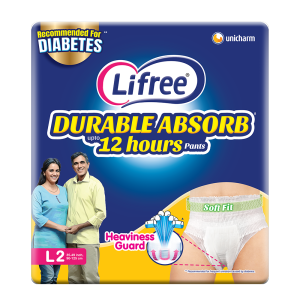
When it comes to incontinence care, choosing the correct size is not optional — it is the difference between comfort and constant frustration. That is exactly why extra large diapers for adults are important. If a diaper is too tight, it becomes uncomfortable and restrictive. If it is too loose, it leaks. Either way, the user loses confidence, comfort, and peace of mind.
A lot of people assume “bigger size means better absorbency.” That sounds logical, but it is wrong. Lifree’s own incontinence education makes this very clear: larger diaper sizes do not automatically absorb more fluid. Size is mainly about fit, coverage, and comfort, while absorbency depends on the product’s core design and materials.
The Absorbency Myth: Size vs. Capacity
A prevalent myth in the caregiving community is that a larger diaper automatically translates to higher absorbency. Logic suggests that more material equals more fluid retention, but this is a mistake.
Top-tier manufacturers like Lifree emphasize through their incontinence education that size is about coverage, while absorbency is about technology. The core of the diaper—the super-absorbent polymers (SAP)—is what handles the fluid. An oversized diaper on a smaller frame doesn't absorb more; it simply creates gaps where fluid can escape before it even touches the absorbent core. Selecting the right extra large diapers for adults is about ensuring the "target zone" of the diaper stays exactly where it needs to be.
Why Extra Large Diapers for Adults Are a Necessity
Standard medium or large sizes are designed for average dimensions, but bodies come in all shapes. For users with broader hips, larger waists, or thicker thighs, standard sizes are often more than just "snug"—they are dysfunctional.
When a diaper is too small for the user’s frame, several issues arise:
- Skin Integrity Issues: Elastic guards can dig into the skin, causing "red marking," chafing, and even pressure sores.
- Structural Failure: Excessive tension on the side panels or tapes can cause the diaper to tear or the fasteners to pop during movement.
- The "Gap" Effect: When a diaper is stretched too thin, the leg cuffs pull away from the body, leaving wide channels for leaks.
A properly sized XL diaper provides the necessary surface area to wrap securely around the body, ensuring a "seal" that moves with the user rather than against them.
Critical Features to Look For
Not all extra large diapers are created equal. When shopping for high-quality incontinence products, look beyond the price tag and focus on these four pillars:
1. Anatomical Leg Cuffs and Waistbands
The "leak guards" around the legs are your first line of defense. In extra large sizes, these need to be flexible yet firm. A good XL diaper should feature high-rise waistbands that won't roll down under a belly or bunch up during sleep.
2. Tailored Absorbency Levels
Incontinence isn't "one size fits all." Lifree, for example, offers various tiers of protection based on the duration of wear:
- 8-Hour Protection: Ideal for active daytime use and frequent changes.
- 10-Hour Protection: A middle-ground for long outings or travel.
- 12-Hour Protection: Specifically engineered for overnight use, allowing both the user and the caregiver to sleep through the night without a change.
3. Breathability and Textile-Like Feel
Larger users are more prone to trapped heat and perspiration. Plastic-backed diapers (PE film) can lead to "diaper rash" or dermatitis. Look for cloth-like, breathable materials that allow air to circulate. This keeps the skin cool and dry, which is essential for long-term health.
4. Ease of Application (Pants vs. Tapes)
- Pant-Style: These function like regular underwear. They are the gold standard for active aging, allowing users to maintain their dignity and use the restroom independently.
- Tape-Style: These are better suited for users with limited mobility or those who are bedridden. They allow caregivers to change the diaper without removing clothing or lifting the user’s legs excessively.
The Psychological Impact of a Proper Fit
The benefits of the right extra large diaper extend far beyond physical dryness.
"Incontinence is as much a mental challenge as a physical one."
When a user trusts their product, their world expands. They are more likely to attend social gatherings, go for walks, and engage with their families. This mobility support is a cornerstone of Lifree’s philosophy: a diaper should be a tool for living, not a reminder of a limitation. By eliminating the fear of "accidents" and the physical discomfort of a poor fit, XL diapers provide the wearer with something priceless: confidence.
Final Thoughts
Choosing extra large diapers for adults should never be a guessing game. It requires measuring the waist and hips and matching those dimensions to a brand's specific size chart. Remember, the goal isn't just to find a diaper that "closes"—it's to find a product that provides a secure, breathable, and reliable shield.
When fit and technology work together, the result is better skin health, fewer laundry cycles, and a significantly higher quality of life.
Source:
Click for the: Full Story
You might like







You Might Like this