


 Close Menu
 World
World
 Biography
 Health
 Education
 Business
 Lifestyle
 Sports
 Technology
 Animals
 History
 Food
Food
 Religious
 Startups
 Movies
 Politics
 Fashion
 Covid
Covid
 Diet
Diet
 Fitness
 Marketing
 Travel
 Science
 Reviews
 Social media
 Stories
 Facts
Facts
 Art
Art
 Entertainment
Amelia joe

Business
How Coinbase Is Responding to the Growth of Real-World Asset Tokenization
 Amelia joe
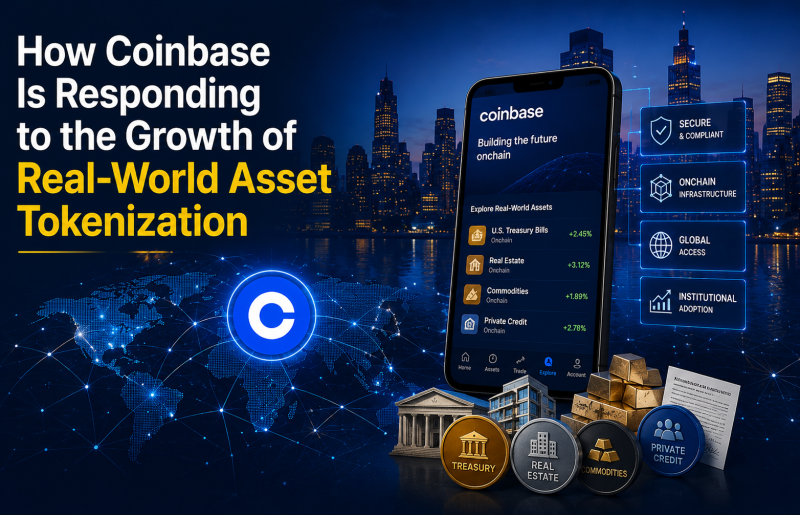
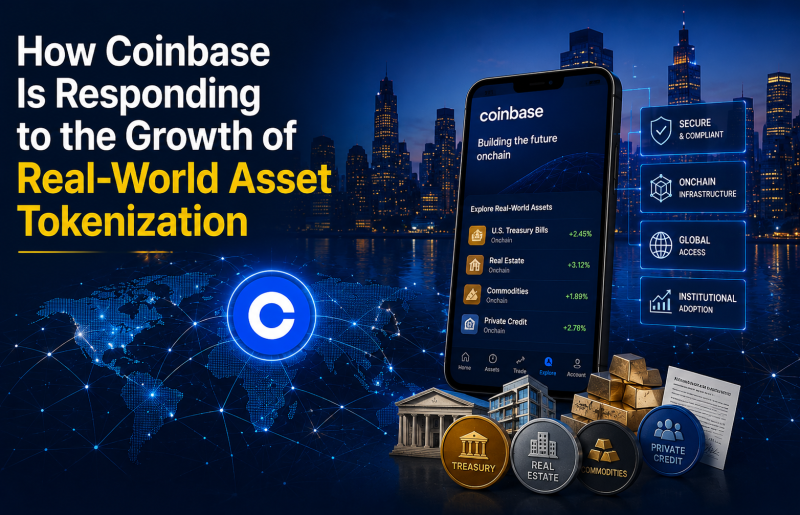
Real-world asset (RWA) tokenization is rapidly becoming one of the biggest trends in the cryptocurrency industry. From tokenized treasuries and stocks to real estate and commodities, blockchain technology is transforming how traditional assets are owned, traded, and managed.
As institutional adoption accelerates, major crypto companies are positioning themselves to benefit from this shift. Among them, Coinbase is emerging as a key player in the growing tokenization ecosystem.
The company is actively expanding its infrastructure, partnerships, and blockchain services to support the future of tokenized finance.
Why Real-World Asset Tokenization Matters
RWA tokenization refers to converting traditional assets into blockchain-based digital tokens. These assets may include:
- Real estate
- Government bonds
- Stocks and ETFs
- Gold and commodities
- Private credit funds
Tokenization can improve:
- Liquidity
- Accessibility
- Transparency
- Settlement speed
- Fractional ownership
Industry analysts predict that tokenized assets could become a multi-trillion-dollar market over the next decade. Bernstein recently described tokenization as a coming “supercycle” for crypto adoption.
Coinbase’s Expanding Tokenization Strategy
Coinbase is increasingly focusing on tokenization as part of its long-term growth strategy. The company believes blockchain infrastructure will play a major role in the future of global finance.
One of Coinbase’s biggest moves has been strengthening its Base blockchain ecosystem. Recently, Coinbase partnered with Centrifuge to support tokenized assets on Base. The partnership aims to bring assets such as ETFs, credit funds, and structured financial products onto blockchain networks.
This move signals Coinbase’s intention to build infrastructure not only for crypto trading but also for tokenized traditional finance.
Focus on Institutional Adoption
Institutional investors are showing growing interest in tokenized assets because they offer:
- Faster settlements
- Lower operational costs
- 24/7 market access
- Improved liquidity
Coinbase is responding by expanding institutional-grade services and regulatory-compliant infrastructure.
The company has also emphasized stablecoins, ETFs, and tokenized assets as major growth areas for 2026 and beyond.
As regulatory clarity improves, Coinbase appears to be positioning itself as a bridge between traditional finance and blockchain-based markets.
The Role of Base Blockchain
Base, Coinbase’s Ethereum Layer-2 network, is becoming central to its tokenization strategy.
The platform supports:
- Faster transactions
- Lower fees
- Scalable on-chain applications
- Institutional tokenization projects
By using Base, Coinbase can help financial institutions launch and manage tokenized products more efficiently.
This approach aligns with the broader industry trend toward on-chain finance and programmable assets.
Stablecoins and Tokenized Finance
Stablecoins are another important part of Coinbase’s tokenization vision. Industry reports suggest stablecoins may expand significantly in cross-border payments and digital finance ecosystems over the next few years.
Coinbase is increasingly focusing on:
- Stablecoin-powered payments
- On-chain settlement systems
- Tokenized financial infrastructure
These developments support the larger goal of creating an “everything exchange” that combines crypto trading, payments, and tokenized assets into one ecosystem.
Regulatory and Compliance Focus
One major challenge in RWA tokenization is regulation. Since tokenized assets often represent traditional securities or financial instruments, compliance becomes critical.
Coinbase has been actively engaging with regulators regarding tokenized securities and blockchain finance policies. Reports indicate the company has pushed for clearer frameworks around tokenized stocks and third-party tokenization.
This regulatory-first approach may help Coinbase attract institutional investors looking for secure and compliant blockchain infrastructure.
Industry Momentum Behind Tokenization
Coinbase is not alone in recognizing the importance of tokenized assets. Major institutions including JPMorgan, BlackRock, and Franklin Templeton are also expanding tokenization initiatives.
Analysts believe tokenized treasuries, equities, and commodities could become a major part of global financial markets over the coming years.
The growth of tokenized gold, tokenized ETFs, and blockchain-based private credit markets further demonstrates the increasing demand for RWA infrastructure.
Future Outlook
The future of tokenization appears closely connected to the evolution of crypto exchanges and blockchain infrastructure.
Coinbase’s investments in:
- Base blockchain
- Stablecoin ecosystems
- Institutional services
- Tokenization partnerships
- AI-powered operations
suggest the company is preparing for a future where traditional and digital finance increasingly merge together.
As tokenized assets continue growing, platforms that can combine compliance, scalability, liquidity, and blockchain accessibility may become major leaders in the next phase of financial innovation.
Final Thoughts
Coinbase is actively responding to the rise of real-world asset tokenization by expanding blockchain infrastructure, supporting institutional adoption, and investing in scalable tokenization ecosystems.
Through Base, stablecoin integration, and strategic partnerships, Coinbase is positioning itself as more than a traditional crypto exchang e. The company is working toward becoming a major infrastructure provider for the future of tokenized finance.
As the tokenization market grows, Coinbase clone script focus on compliance, scalability, and on-chain financial services could play an important role in shaping the next generation of digital asset trading.
Source:
Click for the: Full Story
You might like