


 Close Menu
 World
World
 Biography
 Health
 Education
 Business
 Lifestyle
 Sports
 Technology
 Animals
 History
 Food
Food
 Religious
 Startups
 Movies
 Politics
 Fashion
 Covid
Covid
 Diet
Diet
 Fitness
 Marketing
 Travel
 Science
 Reviews
 Social media
 Stories
 Facts
Facts
 Art
Art
 Entertainment
Echorix podcast Studio

Business
How Sound Design Improves Podcast Storytelling
 Echorix podcast Studio
My neighbour Shreya listens to podcasts for about two hours every day. Commute, cooking, walking — always something playing in her ears. One evening she told me about an episode she had listened to that week. A true crime show. She said at one point she was so inside the story that she actually stopped walking in the middle of the road.
I asked her what made it so gripping. She thought about it for a second and said, "I don't know. It just felt real."
She wasn't talking about the research. She wasn't talking about the host's voice. She was talking about how the whole thing sounded. The music that came in quietly under a tense moment. The way certain sounds made her feel like she was right there. She didn't have words for it. But she felt it completely.
That's sound design doing its job so well that nobody notices it's there.
Most podcasters think storytelling is about what you say. And it is, partly. But the way something sounds changes how a story lands in ways that are hard to explain until you hear the difference.
Think about any scene in a film where the music cuts out completely. Suddenly everything feels more serious. More real. That's not an accident. Someone made that choice deliberately. Podcasts work the same way, except most people making them haven't thought about it at all.
When you're telling a story and there's complete silence between two sentences, that silence means something. When there's a low hum underneath a difficult moment, the listener feels something shift without knowing why. These are small things. But they're the difference between a story someone follows closely and a story they half-listen to while scrolling their phone.
There's also something simpler going on, which is just the quality of how everything sounds together.
A podcast where the host's voice is clear and warm, where there's no hiss or background noise, where the audio doesn't suddenly jump in volume when a clip plays — that podcast is easy to stay inside. Your brain isn't doing any extra work. You're just in the story.
A podcast where things are slightly off, where the music feels slapped on, where there's a noticeable difference between how the host sounds and how a clip sounds — that one pulls you out. Maybe only for a second. But once you're out, getting back in takes effort. And most people don't bother making that effort. They just move on.
I spoke to someone once who edited podcasts professionally. She said the biggest mistake she saw from new shows wasn't bad content. It was that people treated audio as an afterthought. Record the conversation, throw in an intro track, done. She said the shows that actually grew were the ones where someone had thought about the sound as carefully as the words.
Not necessarily with expensive tools or a professional team. Just with intention. Thinking about where a pause should land. Whether a certain moment needed music underneath it or needed to breathe in silence. Whether the transition between one segment and the next felt abrupt or smooth.
These decisions are invisible when done well. But they shape how the whole thing feels from beginning to end.
Shreya finished her story about that true crime episode and said she recommended it to three people the next day. She couldn't fully explain what made it so good. But she kept thinking about it days later.
That's what good sound design does. It makes a story stick. Not because someone heard great facts or learned something useful. But because they felt something while listening, and feeling something is what makes people remember.
If you want your podcast to be the kind of show people talk about and come back to, the words matter. But the sound around those words matters just as much. Getting the technical side right is a big part of that — understanding what goes into high quality podcast audio is a good place to start before your next recording session.
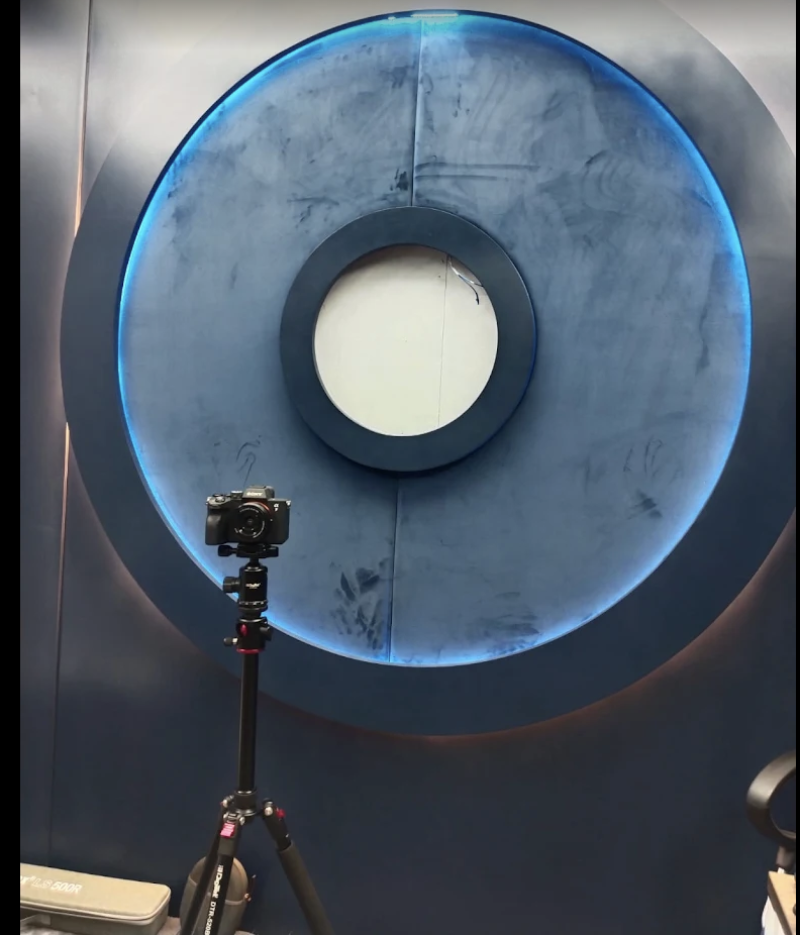
And if you're at the point where you want a proper space to bring all of this together, Echorix Studio is worth looking into. Sometimes the right environment does half the work for you.
Source:
Click for the: Full Story
You might like