


 Close Menu
 World
World
 Biography
 Health
 Education
 Business
 Lifestyle
 Sports
 Technology
 Animals
 History
 Food
Food
 Religious
 Startups
 Movies
 Politics
 Fashion
 Covid
Covid
 Diet
Diet
 Fitness
 Marketing
 Travel
 Science
 Reviews
 Social media
 Stories
 Facts
Facts
 Art
Art
 Entertainment
Villium Wilson

Business
Optimization of the Hierarchy of Hazard Control
 Villium Wilson
Optimizing workplace safety requires a strategic approach. The hierarchy of hazard control is the standard framework for this strategy. It classifies safety measures by their effectiveness, guiding employers to select the best possible controls. Optimization means constantly striving to move up this hierarchy.
Many organizations get stuck at the bottom levels. They rely on PPE and rules because they are easy to implement. However, true optimization of the hierarchy of hazard control involves challenging these low-level solutions. It involves a dedicated effort to engineer hazards out of the workplace.
High-Level Hierarchy of Hazard Control
Elimination Dynamics in the Hierarchy of Hazard Control
Elimination is the most effective control in the hierarchy of hazard control. It removes the hazard entirely. For example, remote monitoring of hazardous areas eliminates the need for entry. This removes the risk completely.
Achieving elimination requires foresight. It works best when applied during the design phase of a project. The hierarchy of hazard control teaches us to design for safety from the start. This prevents hazards from ever being introduced into the workplace.
Substitution Logic in the Hierarchy of Hazard Control
Substitution involves swapping a hazard for a safer option. In the hierarchy of hazard control, this is a critical step. Replacing a toxic solvent with a non-toxic cleaner is a classic example. It reduces the health risk to workers.
Finding substitutes requires research. Safety teams must investigate new materials and technologies. The hierarchy of hazard control promotes this investigative approach. It ensures that we are always using the safest available options.
Engineering Systems in the Hierarchy of Hazard Control
Engineering controls provide physical barriers. In the hierarchy of hazard control, they are superior to procedural controls. Examples include soundproofing and machine guarding. These systems work without human intervention, making them highly reliable.
Low-Level Hierarchy of Hazard Control
Administrative Systems in the Hierarchy of Hazard Control
Administrative controls regulate work practices. Within the hierarchy of hazard control, they are used to manage residual risks. This includes safety training and warning signs. They are necessary but fallible.
To be effective, administrative controls require strong leadership. Managers must enforce the rules consistently. The hierarchy of hazard control reminds us that these controls are only as good as the compliance they generate. They require constant reinforcement.
PPE Reliance in the Hierarchy of Hazard Control
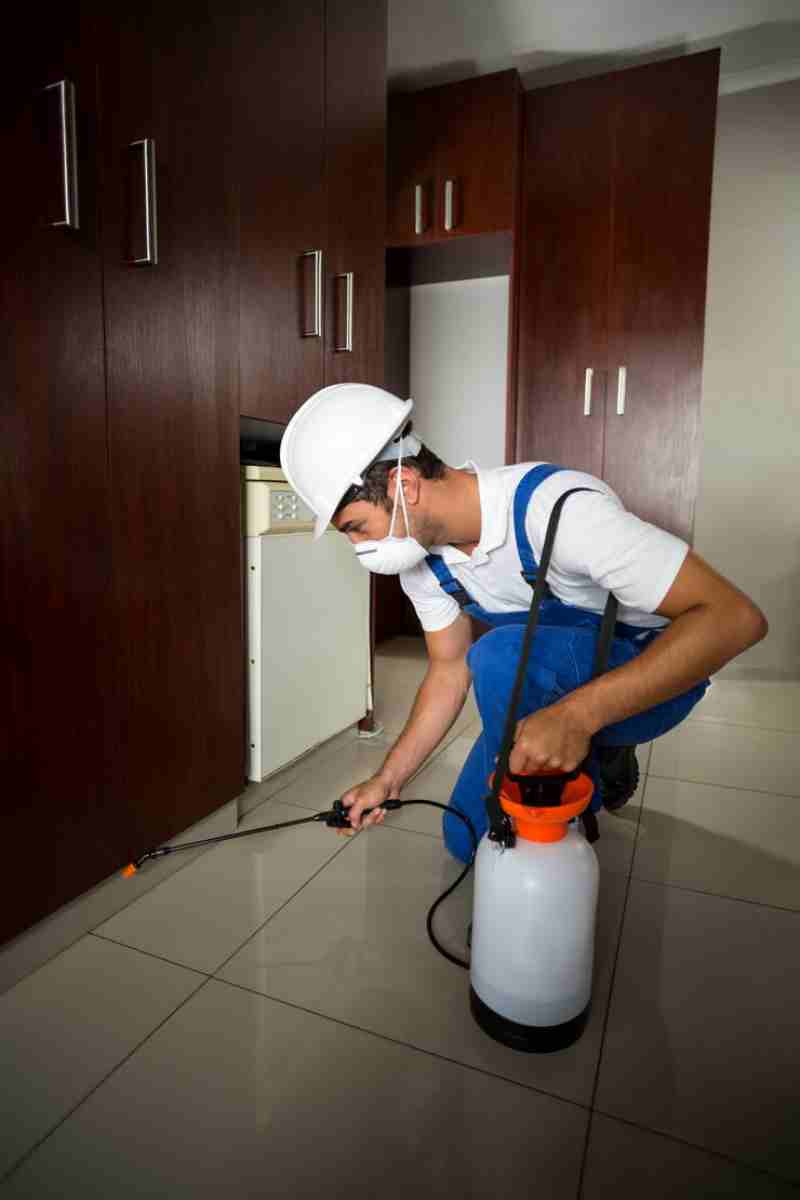
PPE is the final tier of the hierarchy of hazard control. It protects the worker, not the environment. While necessary, reliance on PPE suggests a failure to implement higher-level controls.
However, PPE is often unavoidable. In these cases, the hierarchy of hazard control dictates strict standards for equipment and training. Workers must be properly equipped to face the hazards that cannot be removed.
Reviewing the Hierarchy of Hazard Control
Optimization requires regular review. The hierarchy of hazard control should be part of every safety audit. By constantly asking if we can do better, we drive continuous improvement. This ensures that the safety program never stagnates.
Conclusion
Optimizing the hierarchy of hazard control is a sign of a mature safety culture. It shows a willingness to invest in long-term solutions. By prioritizing elimination and engineering, companies can create safer, more efficient workplaces.
This dedication to safety excellence pays off. It reduces injuries, lowers costs, and improves morale. The hierarchy of hazard control is the roadmap to this success. By following it efficiently, we can ensure that every worker returns home safe.
Source:
Click for the: Full Story
You might like