


 Close Menu
 World
World
 Biography
 Health
 Education
 Business
 Lifestyle
 Sports
 Technology
 Animals
 History
 Food
Food
 Religious
 Startups
 Movies
 Politics
 Fashion
 Covid
Covid
 Diet
Diet
 Fitness
 Marketing
 Travel
 Science
 Reviews
 Social media
 Stories
 Facts
Facts
 Art
Art
 Entertainment
THM Hydraulics

Marketing
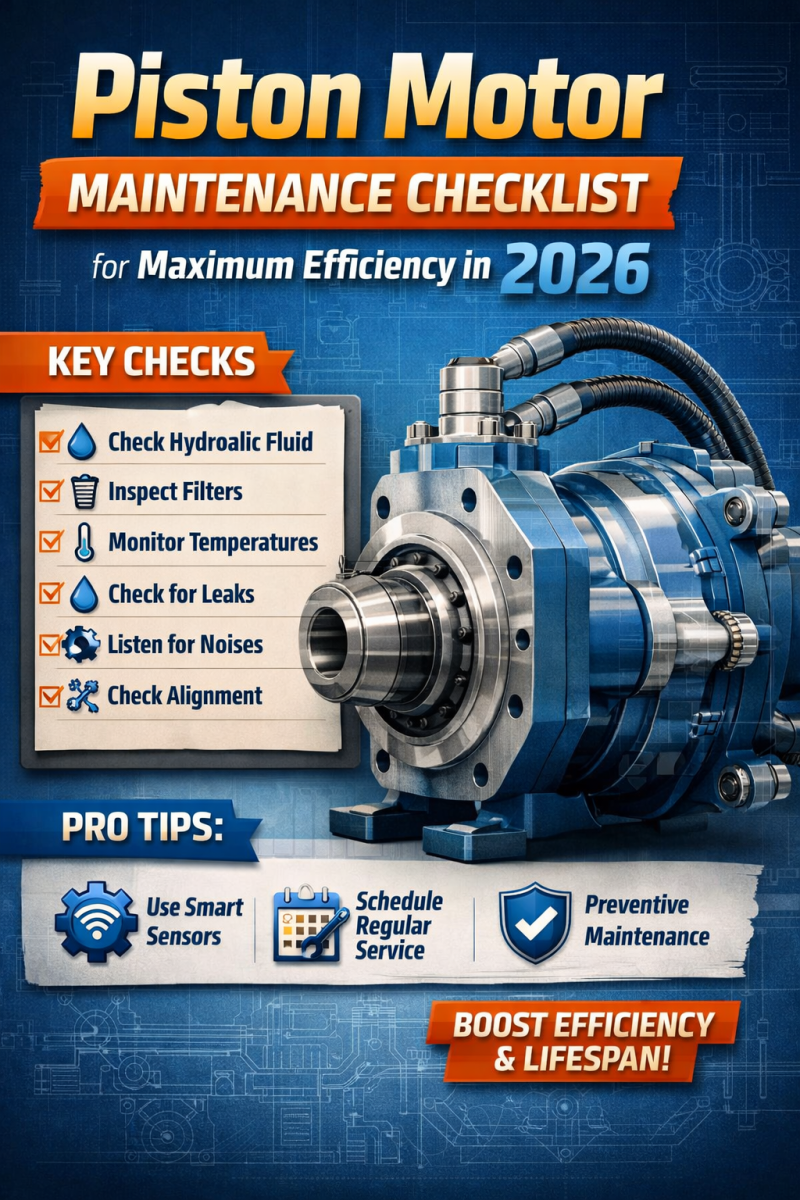
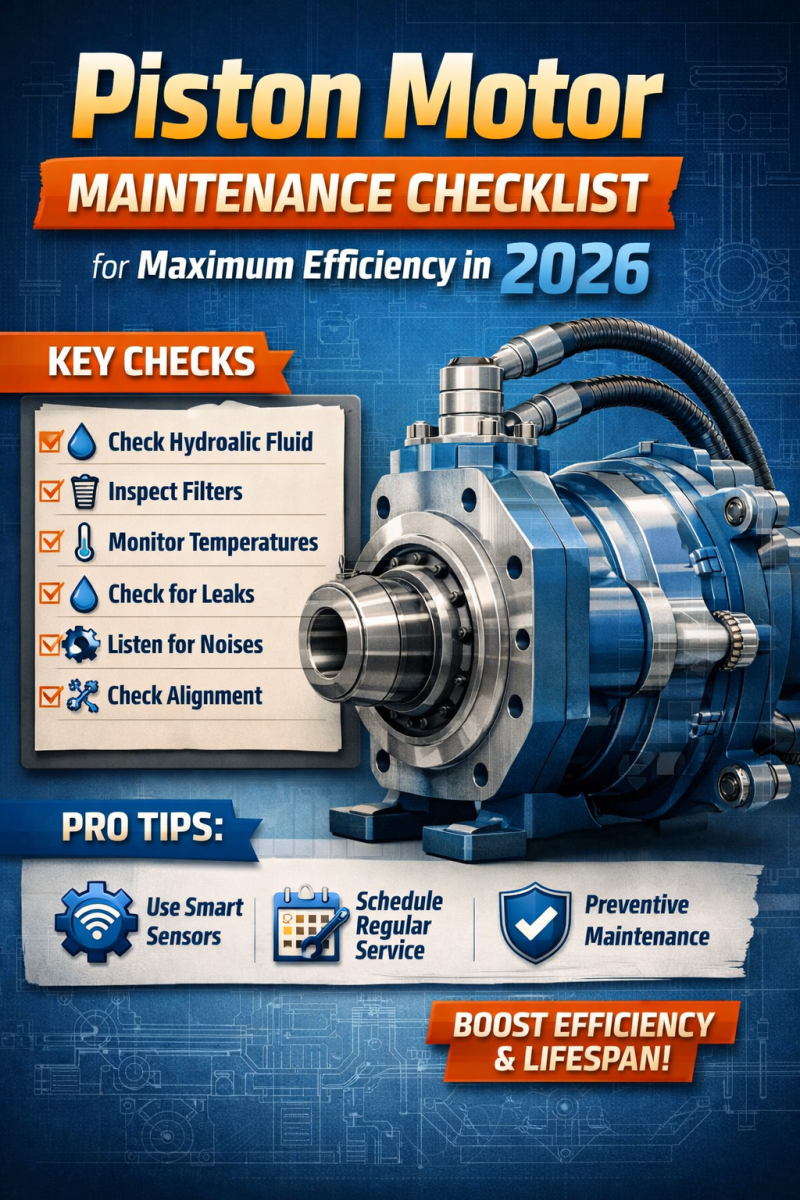
Piston Motor Maintenance Checklist for Maximum Efficiency in 2026
 THM Hydraulics
In today’s fast-evolving industrial landscape, piston motors continue to play a critical role in powering heavy machinery, hydraulic systems, and automated equipment. As we move into 2026, the focus is no longer just on performance — it’s about efficiency, longevity, and smart maintenance.
Press enter or click to view image in full size
Whether you are managing construction equipment, manufacturing units, or hydraulic systems, a well-maintained piston motor can significantly reduce downtime and operational costs. This guide provides a complete piston motor maintenance checklist to help you achieve maximum efficiency.
Why Piston Motor Maintenance Matters More in 2026
With the rise of smart hydraulics, IoT-enabled monitoring, and energy-efficient systems, piston motors are becoming more advanced. However, even the most modern motors require consistent upkeep.
Proper maintenance helps you:
- Improve energy efficiency
- Extend motor lifespan
- Prevent costly breakdowns
- Maintain consistent performance
- Reduce repair and replacement costs
Neglecting maintenance can lead to reduced output, overheating, leakage, and complete system failure.
Complete Piston Motor Maintenance Checklist1. Regular Visual Inspection
Start with the basics. A quick visual inspection can reveal early warning signs before they turn into major problems.
Check for:
- Oil leaks around seals and fittings
- Loose bolts or connections
- Cracks or external damage
- Unusual dirt or debris buildup
2. Monitor Hydraulic Fluid Quality
Hydraulic fluid is the lifeblood of any piston motor. Poor fluid quality is one of the leading causes of motor failure.
Checklist:
- Check fluid levels regularly
- Inspect for contamination (dust, water, metal particles)
- Ensure correct viscosity as per manufacturer guidelines
- Replace fluid as per schedule
3. Maintain Proper Filtration System
A clean filtration system ensures that contaminants do not enter the motor.
Key actions:
- Replace filters periodically
- Check for clogged or damaged filters
- Use high-quality filtration systems
4. Check Operating Temperature
Overheating is a major efficiency killer.
Monitor:
- Operating temperature range
- Cooling system performance
- Signs of excessive heat (burning smell, discoloration)
5. Inspect Seals and Gaskets
Seals play a crucial role in preventing leakage and maintaining pressure.
Checklist:
- Look for worn-out or damaged seals
- Replace seals showing signs of cracking or leakage
- Ensure proper sealing during installation
6. Monitor Noise and Vibration
Unusual noise or vibration often indicates internal issues.
Watch for:
- Knocking or grinding sounds
- Increased vibration levels
- Sudden changes in operating noise
7. Check Pressure Levels
Operating outside recommended pressure limits can damage your piston motor.
Steps:
- Monitor system pressure regularly
- Ensure pressure relief valves are functioning
- Avoid overloading the motor
8. Lubrication Management
Proper lubrication reduces friction and wear.
Checklist:
- Use manufacturer-recommended lubricants
- Avoid over-lubrication or under-lubrication
- Follow scheduled lubrication intervals
9. Alignment and Mounting Check
Improper alignment can cause excessive wear and reduce performance.
Inspect:
- Shaft alignment
- Mounting stability
- Coupling condition
10. Use Predictive Maintenance Tools
In 2026, maintenance is becoming smarter with AI and IoT-based monitoring systems.
Benefits:
- Real-time performance tracking
- Early fault detection
- Reduced downtime
- Data-driven maintenance decisions
Maintenance Frequency Guide
- Daily: Check for leaks, noise, and temperature
- Weekly: Inspect fluid levels and cleanliness
- Monthly: Check filters, seals, and alignment
- Quarterly: Replace filters and test system pressure
- Annually: Full system inspection and servicing
Best Practices for Maximum Efficiency in 2026
To stay ahead in 2026, follow these modern maintenance practices:
- Use energy-efficient hydraulic fluids
- Upgrade to smart monitoring systems
- Train staff on advanced maintenance techniques
- Maintain a detailed service log
- Choose high-quality piston motors and spare parts
Final Thoughts
A piston motor is a long-term investment, and like any critical machinery, it demands regular care. By following this piston motor maintenance checklist, you not only improve efficiency but also ensure reliability and cost savings in the long run.
In 2026, where industries are rapidly adopting automation and smart technologies, combining traditional maintenance practices with modern tools is the key to staying competitive
Source:
Click for the: Full Story
You might like