



 Close Menu
 World
World
 Biography
 Health
 Education
 Business
 Lifestyle
 Sports
 Technology
 Animals
 History
 Food
Food
 Religious
 Startups
 Movies
 Politics
 Fashion
 Covid
Covid
 Diet
Diet
 Fitness
 Marketing
 Travel
 Science
 Reviews
 Social media
 Stories
 Facts
Facts
 Art
Art
 Entertainment
kevin

Business
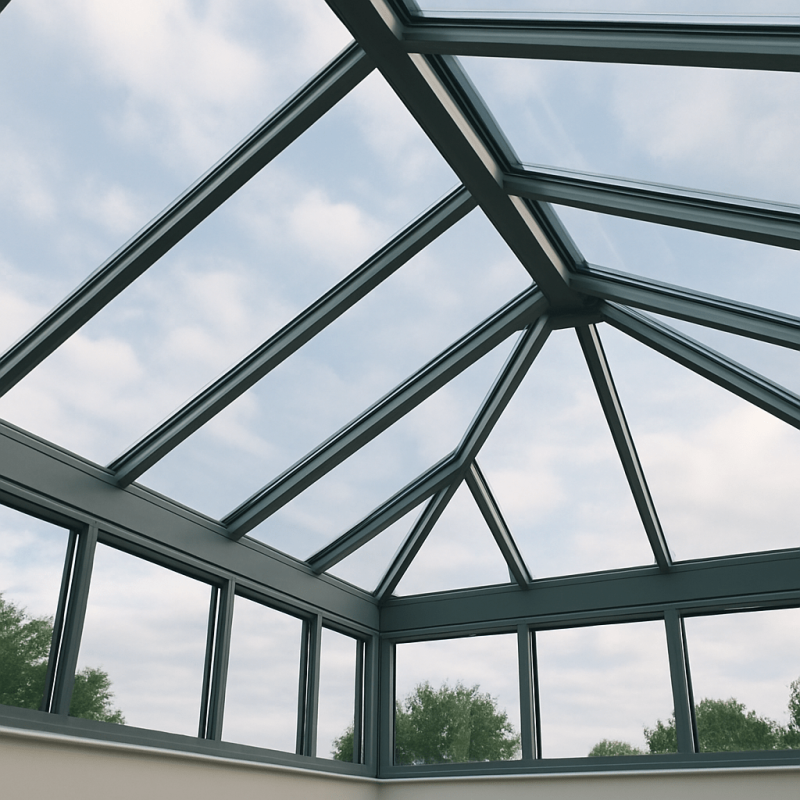
Signs It’s Time for a Conservatory Roof Replacement
 kevin
kevin
Your conservatory should be a bright, comfortable space that extends your home’s living area. However, many homeowners in the Southwest of England struggle with rooms that are too hot in summer, cold in winter, or noisy when it rains. These issues often signal that it’s time for a conservatory roof replacement.
Having worked on numerous projects across Devon, Cornwall, and Somerset, I’ve seen how replacing an old roof can transform an underused space into a functional, energy-efficient room. Recognising the warning signs early ensures your investment improves comfort and property value without unnecessary delays or costs.
Why Conservatory Roofs Fail
Most conservatories built 10–25 years ago feature polycarbonate or glass roofs. While initially affordable, these materials degrade over time, leading to:
- Heat loss and poor insulation in winter
- Overheating from solar gain in summer
- Condensation and damp issues
- Structural weaknesses or leaks
The Energy Saving Trust notes that heating is the largest contributor to household energy use in the UK. Inefficient conservatory roofs increase bills and reduce the usability of your extension.
Key Signs You Need a Roof Replacement
1. Excessive Heat or Cold
If your conservatory is too hot in summer or too cold in winter, the roof may no longer provide adequate thermal protection. Polycarbonate and single-glass panels lose efficiency over time, and upgrading to an insulated roof can make the space usable year-round.
2. Visible Leaks or Water Damage
Water ingress can cause stained ceilings, warped flooring, and damp patches on walls. Recurrent leaks indicate that seals, panels, or the supporting structure are failing and that a replacement is necessary to prevent long-term damage.
3. Noise Problems
Older polycarbonate roofs amplify rain and hail, making the room uncomfortable. Modern solid or insulated roofs reduce noise significantly, turning a previously disruptive space into a peaceful living area.
4. Structural Concerns
Sagging roofs, loose panels, or frame movement can indicate that the roof no longer meets safety standards. Ignoring these warning signs can result in further damage and higher repair costs down the line.
5. Condensation and Mold
Coastal areas in the Southwest often experience high humidity. A failing roof increases condensation risk, which can lead to mold growth, damaged décor, and health concerns. Replacing the roof with modern insulated materials helps prevent these issues.
Actionable Strategies for a Successful Roof Replacement
Conduct a Professional Survey
A structural assessment confirms that your conservatory can safely support a new roof system. Installers in Plymouth and Exeter recommend this as the first step to avoid unforeseen issues.
Choose the Right Roof Type
Options include:
- Solid insulated roofs – excellent thermal performance and noise reduction
- Hybrid systems – combine glazing with insulation for natural light and efficiency
- Tiled roofs – offer a permanent, high-value solution that complements the home exterior
Pair with Glazing Upgrades
Replacing old glass with energy-efficient double or triple glazing improves thermal efficiency and reduces condensation.
Plan for Ventilation
Even the most insulated roofs require airflow to prevent moisture buildup. Consider roof vents, trickle windows, or extractor fans to maintain healthy air quality.
Common Mistakes to Avoid
- Ignoring building regulations: Roof replacements may require compliance certification
- Focusing solely on cost: Cheaper materials often underperform and reduce long-term savings
- DIY installation without expertise: Structural errors can lead to leaks, drafts, or safety hazards
- Neglecting lighting: Solid roofs can reduce daylight; plan skylights or lighting solutions
Expert Tips from Southwest Installations
- Check U-values to ensure thermal performance meets current standards
- Choose moisture-resistant materials for coastal climates
- Schedule installations during dry months to avoid weather delays
- Combine roof replacement with underfloor heating if converting the space into a main living area
- Ensure warranties cover materials and installation
Homeowners who consider insulation, ventilation, structural integrity, and lighting achieve the best long-term results.
Real-World Example
A homeowner in Newton Abbot had an outdated polycarbonate conservatory roof. During storms, the noise was unbearable, and condensation caused damp on furniture and walls. After replacing the roof with a solid insulated system, the conservatory became a quiet, year-round usable space. Energy bills dropped slightly, and the property’s overall appeal increased.
This illustrates the benefits of timely roof replacement for both comfort and long-term property value.
Conclusion: Don’t Wait Until It’s Too Late
Recognising the signs that your conservatory roof is failing is crucial. Conservatory roof replacement can solve problems with heat, noise, condensation, and structural integrity, turning an underused space into a valuable, comfortable extension.
If your conservatory shows any of these warning signs, consult a professional installer in the Southwest of England. A well-planned roof replacement will improve energy efficiency, usability, and long-term home value.
Take Action Today
Schedule a professional survey, explore suitable roof options, and upgrade your conservatory before minor issues turn into major problems.
Source:
Click for the: Full Story
You might like







You Might Like this