


 Close Menu
 World
 Biography
 Health
 Education
 Business
 Lifestyle
 Sports
 Technology
 Animals
 History
 Food
 Religious
 Startups
 Movies
 Politics
 Fashion
 Covid
 Diet
 Fitness
 Marketing
 Travel
 Science
 Reviews
 Social media
 Stories
 Facts
 Art
 Entertainment
Hetaksh Essential Oils

Business
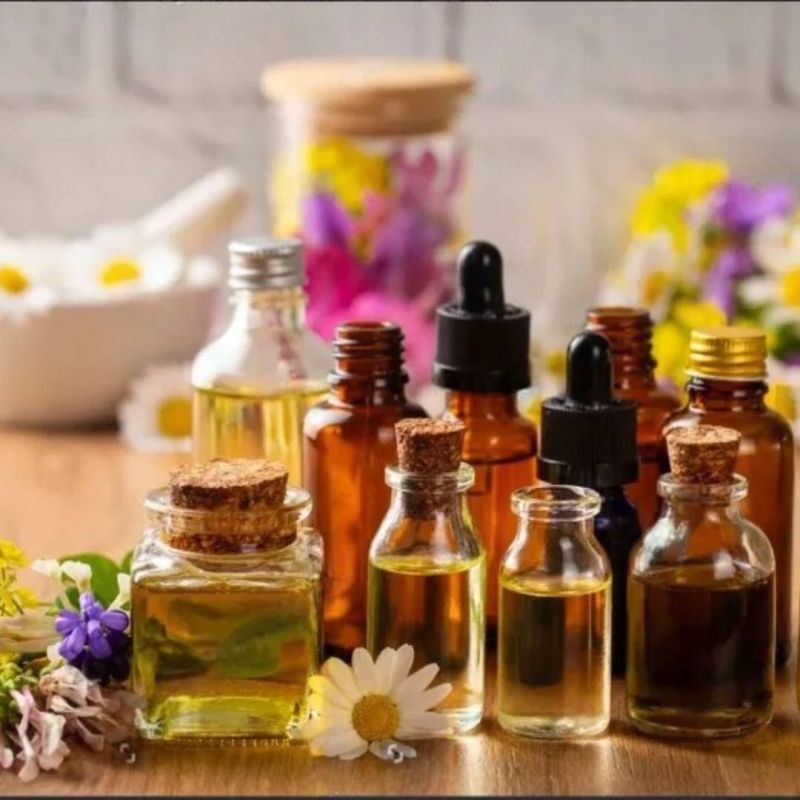
Essential Oil Manufacturer and Bulk Supplier
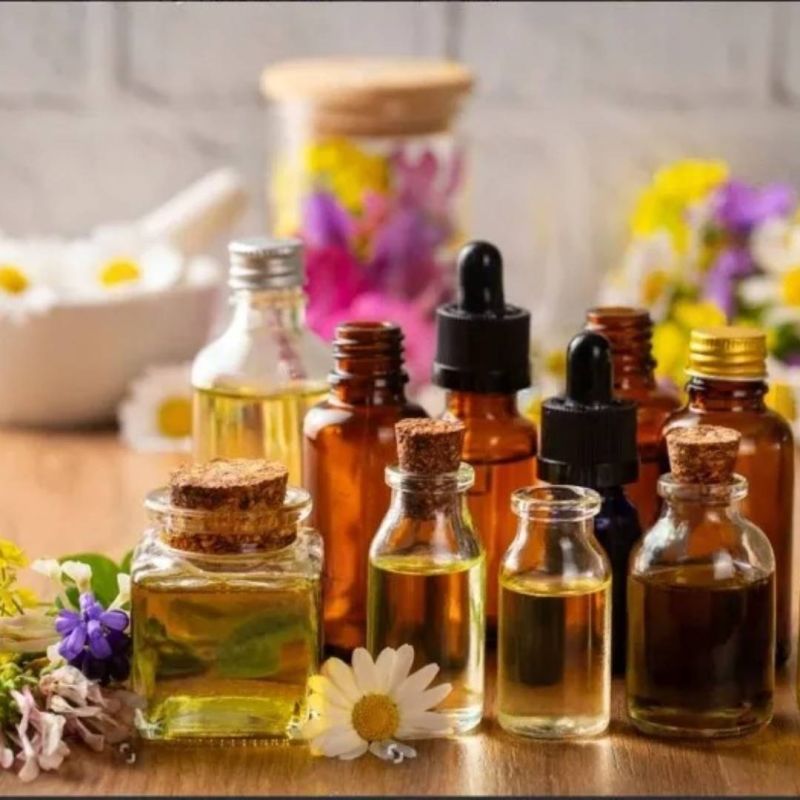 Hetaksh Essential Oils
This guide reviews key considerations for businesses seeking bulk essential oils. We explain sourcing and quality assurance for wholesale essential oils, including major extraction methods (steam distillation, cold pressing, solvent extraction, supercritical CO₂, enfleurage), and contrast their advantages. Quality and purity are covered in detail – adulteration is common, so reliable testing (GC-FID/MS profiles, physical constants, moisture analysis) and certified laboratories (ISO/IEC 17025 accreditation) are critical. We show how to interpret Certificates of Analysis (COAs) and lab reports, and stress best practices for packaging (dark glass, inert seals) and storage (cool, dry conditions). Typical applications of essential oils – aromatherapy, cosmetics, food flavoring, perfumery, and industrial uses – are outlined. A supplier checklist is provided (certifications, traceability, sampling, MOQ, lead times), and we clarify regulatory and labeling requirements: avoid unapproved health claims (FDA notes that “aromatherapy” products claiming to treat disease are regulated as drugs), declare allergens per EU rules, and include botanical and batch details on labels. The conclusion summarizes best practices. An FAQ section addresses common questions (e.g. verifying purity, storage, labeling). All factual statements cite authoritative sources (ISO standards, FDA, peer-reviewed and industry publications).
Introduction to Wholesale Essential Oils
An essential oil manufacturer plays a vital role for businesses that use aromatics at scale. Wholesale buyers need oils that are consistent, pure, and compliant with regulations. Unlike retail customers, these buyers require large volumes (often in drums or tanker loads) and accompanying documentation (Certificates of Analysis, safety data). Working with a reputable manufacturer/supplier ensures reliable quality and supply continuity. This means the supplier should have strong quality systems and traceability from plant to bottle. In practice, buyers seek suppliers who can certify botanical identity, geographic origin, and test results for each batch.
In this context, “essential oil supplier” implies a partner that not only produces oils (often by partnering with growers) but also sells them in bulk. The term emphasizes that the supplier is not just a small reseller, but an actual producer or aggregator with control over extraction and quality. The following sections explore how to source, evaluate, and use essential oils in bulk quantities while ensuring quality and compliance.
Wholesale Sourcing Best Practices
When sourcing essential oils wholesale, buyers should verify the supplier’s track record and certifications. Key checks include:
- Certifications: Look for GMP (Good Manufacturing Practice) certification for cosmetics or food grade (e.g., ISO 22716, FSSC 22000, HACCP) and organic accreditations. if applicable. Suppliers may also have ISO 9001 (quality) or ISO 14001 (environment). A credible supplier should transparently share certifications and quality policies.
- Traceability: Ensure the supplier provides details on botanical source (Latin name), country/region of origin, and harvest/production date. Seed-to-bottle traceability (knowing the cultivation source and extraction batch) is increasingly important for sustainability and authenticity.
- Batch Guarantees: Reputable suppliers issue a batch-specific Certificate of Analysis (COA) with each shipment. The COA should list key parameters and test methods (GC-FID/MS profiles, physical constants, etc.). Confirm the oil’s identity (e.g. 1,8-cineole in eucalyptus) and purity on each COA.
- Sampling and QC: Always request a sample (with COA) before large orders. For high-risk purchases, independent third-party testing can be arranged.
- Supply Terms: Discuss minimum order quantity (MOQ), lead times, and storage. Understand production schedules – e.g. some oils are seasonal, requiring advance planning.
Essential Oil Extraction Methods
The method of extraction affects yield, composition, and cost. Major techniques include:
- Steam Distillation: Most common for herb and wood oils. High-pressure steam is passed through plant material, vaporizing volatile compounds which are then condensed. Compared to direct boiling, steam distillation avoids excessive thermal decomposition of heat-sensitive components. It is relatively fast and widely applicable (e.g. lavender, eucalyptus, rosemary). Steam-distilled oils often have a clean profile with fewer heavy co-extractives.
- Hydrodistillation (Water Distillation): An older method where plant material is boiled in water and the vapors condensed. It works for many oils but is slower and may hydrolyze some components. Example: traditional rose oil distillation. Hydrodistillation generally yields slightly different profiles (some constituents may water-extract).
- Cold Pressing (Expression): Used mainly for citrus oils (lemon, orange, grapefruit). The rind of the fresh fruit is mechanically pressed or grated, and the oil/water emulsion is separated (often by centrifuge). No heat or chemical solvents are used, preserving delicate citrus aromas. The result is termed a “cold-pressed” or “expressed” oil. (Technically, it extracts also waxes, giving a thicker oil which may require dewaxing for a clear oil.)
- Solvent Extraction: For delicate flowers (e.g. jasmine, tuberose) that cannot withstand heat. Plant material is treated with a non-polar solvent (like hexane) to dissolve fragrance compounds. The solvent is then evaporated, yielding a waxy concrete. The concrete is then washed with ethanol; after freezing out waxes, the filtered solution is distilled to yield an aromatic absolute. Solvent extraction captures low-volatility aromatics but requires solvent handling and leaves trace residues if not done properly.
- Supercritical CO₂ Extraction: Carbon dioxide is pressurized above its critical point (around 73 bar at 31°C) to become a supercritical fluid. SC-CO₂ acts like a solvent with low viscosity and zero surface tension, penetrating deep into plant cells. When pressure is released, CO₂ evaporates, leaving no solvent residue. This method is excellent for sensitive or full-spectrum extracts (e.g. rosemary, hops, black pepper) because it operates at low temperatures and is non-toxic. However, equipment is expensive and yields differ depending on pressure/temperature optimization.
- Enfleurage (Traditional): A now-rare technique for fragile flowers (like jasmine or tuberose). Petals are placed on odorless fat (animal or vegetable) which absorbs the fragrance. The fat, called pomade, is then washed with alcohol to extract the oils, and alcohol is evaporated to get the absolute. Enfleurage preserves aromas gently but is labor-intensive and costly; it’s largely of historical interest.
Purity and Adulteration
Adulteration of essential oils is a well-known issue. Unscrupulous suppliers may dilute oils with cheaper carriers (vegetable oils, alcohol), or replace fraction of an expensive oil with synthetic or lower-cost natural oils (e.g. adding turpentine or cheaper pine oil to balsam fir, or coumarin to cinnamon oil). To guard against this, buyers should insist on objective testing. The gold standard is chromatographic analysis: Gas Chromatography (GC) with Flame Ionization Detector (FID) or Mass Spectrometry (MS) separates and identifies components. A genuine pure oil has a characteristic profile of major and minor constituents.
Even subtle adulterations tend to show up as extra or missing peaks. As one industry expert notes, “adulteration shows up [in a COA] because a reconstituted oil rarely matches a genuine profile across every minor constituent”.
In practice, a supplier should provide a GC-FID or GC-MS chromatogram with each COA. Key peaks (the defining markers) must fall within expected ranges. For example, true peppermint oil should have around 35–45% menthol, and if the COA shows a wildly different value, that raises a red flag. Likewise, chiral chromatography can detect enantiomeric ratios (e.g. (R)- vs (S)-limonene) to spot synthetic versus natural components. Another simple check: physical constants like refractive index, specific gravity, and optical rotation should match pharmacopeial limits; even a slight deviation can signal contamination.
Certified reference standards and ISO benchmarks aid purity verification. For instance, ISO 9842 (Rose oil) specifies allowed ranges for ethanol and ketones, implicitly guarding against dilution. More broadly, ISO 9235:2013 defines what qualifies as a “natural aromatic raw material,” emphasizing that added solvents or isolates disqualify an oil from being “essential oil”. In summary: rely on independent lab analysis (preferably ISO 17025-accredited) to certify purity. Any use of terms like “therapeutic grade” on labels is meaningless without supporting data. Always require a batch COA – without it you have no proof of purity.
Laboratory Testing and Quality Control
Quality control for essential oils encompasses identity, purity, and safety. A typical COA includes:
- Chromatographic Profile (GC-FID/MS): Identifies and quantifies individual compounds (e.g. cineole, linalool, citral). This is the core test for identity. The laboratory will match the profile against reference standards or pharmacopeia (e.g. British Pharmacopoeia, European Pharmacopeia). As noted, “It separates the oil into its constituents and quantifies the markers that define the material”, making it the primary means to detect adulteration.
- Assay or Marker Content: For some oils (e.g. eucalyptus or menthol oils), a specific compound is graded (e.g. % eucalyptol). The COA should indicate if a product meets, say, “BP grade 99.5% cineole”.
- Physical Constants: Specific gravity, refractive index, optical rotation – quick cross-checks. Any anomalous value suggests an issue (e.g. unexpected optical rotation could indicate a wrong or impure source).
- Moisture and Residue: Water content (Karl Fischer titration) and non-volatiles. High moisture destabilizes oils, and “what you pay for” is pure oil. For example, citrus oils naturally hold some water; if too high, it may show cloudiness on cooling.
- Contaminant Screening: Labs often test for pesticides, heavy metals (ICP-MS) or microbial contamination, especially for food/cosmetic grade oils. This ensures compliance with regulations and safety (e.g. FDA or FSSAI limits).
Certificates and standards: For oils intended as food or pharma ingredients, many are sold to meet pharmacopeia standards (IP, BP, USP, EP). A supplier’s COA should reference which standard was tested against. For example, a COA might state “Eucalyptus globulus oil – eucalyptol 70% (BP specification min 68.0–75.0%)”. This transparency ensures you know exactly what quality was validated.
Laboratory Accreditation: Always use ISO/IEC 17025:2017-accredited labs for testing. This accreditation indicates the lab has demonstrated competence and impartiality. The COA should list the lab name and accreditation body. Buyers can even verify accreditation online via national bodies (e.g. UKAS, NABL). If a supplier’s COA comes from an unaccredited lab, its credibility is lower. Note that many reputable suppliers have in-house labs; this is acceptable if those labs are properly accredited or compared periodically to third-party labs.
In summary, a thorough lab report (COA) is your evidence of quality. Ensure it is batch-specific, dated close to production, and contains all key parameters with specification limits. If any test or limit is missing, demand clarification.
Packaging and Storage Best Practices
Proper packaging and storage preserve oil quality during transport and shelf life. Key practices include:
- Containers: Use dark (amber) glass or inert HDPE/polypropylene containers for long-term storage. Glass is preferred to prevent permeation or reaction with terpenes. Amber glass blocks UV light, reducing oxidation. Metals or low-quality plastics are generally unsuitable (terpenes can dissolve or leach from plastics).
- Sealing: Ensure an airtight, leak-proof cap or closure (preferably Teflon-lined). Oxygen ingress leads to oxidative rancidity over time. Avoid headspace air in drums.
- Temperature: Store at cool, stable temperatures (15–25°C is ideal). High heat accelerates chemical changes. Cold temperatures are okay for short-term (some oils may crystallize in winter), but repeated freeze-thaw cycles should be avoided. Room-temperature warehousing (out of direct sun) is generally acceptable.
- Humidity/Light: Keep away from moisture and direct sunlight. Humidity can cause condensation; intense light can photo-degrade certain components (e.g. citral or linalool can oxidize to peroxides). Dark, climate-controlled warehouses are best.
- Batch Labeling: Each container (drum, tote, etc.) should be clearly labeled with the oil name (botanical Latin), CAS number, batch/lot number, net weight, country of origin, harvest or production date, storage instructions, and any hazard symbols (as per GHS/SDS). Note: Some regions require listing allergens (see next section). This aligns with regulatory standards and traceability.
- Shelf Life: Although many essential oils last 1–3 years (citrus ~1 year, woody oils ~3+ years), shelf life depends on quality and storage. Keep a first-expire, first-out system to use oldest stock first. Check periodically for signs of rancidity (off-odor, color change, haze).
Adhering to these storage guidelines maintains potency and safety. As one authority notes, moisture and residues in an oil affect its stability and what you pay for – meaning that impure or poorly stored oils lose value and performance.
Typical Applications and Uses
Bulk essential oils serve diverse markets:
- Aromatherapy & Personal Care: Oils like lavender, tea tree, peppermint are formulated into massage oils, diffusers, soaps, and lotions. Adherence to cosmetic regulations is required (IFRA standards, EU Cosmetic Reg. 1223/2009 on allergens, FDA on claims). For instance, a lotion with lemon oil must follow fragrance allergen labeling if limonene exceeds thresholds.
- Cosmetics and Fragrances: In perfumes, colognes, and beauty products, oils provide scents and functional properties (antimicrobial in lotions, etc.). Raw materials must meet cosmetic-grade standards. Many suppliers offer a cosmetic oil range with CPD (Cosmetic Product Database) identifiers or safety studies.
- Food and Flavoring: Food-grade oils (e.g. orange, peppermint, ginger) are used in flavoring beverages, candies, supplements. These must meet food-safety specs. In the US, many are FDA GRAS (Generally Recognized as Safe) for specific use levels. Other countries may require flavor listings (e.g. FEMA GRAS in the USA, FSSAI approval in India). Bulk buyers in food/drink seek oils that comply with food additive regulations.
- Perfumery: Niche perfumers may buy in bulk (e.g. galbanum, sandalwood, jasmine) to produce scents. Purity and consistency are crucial. Price and rarity come into play, so vetting supplier authenticity (e.g. true sandalwood from Santalum album vs substitutes) is vital.
- Industrial Uses: Some oils serve as solvents, cleaning agents, or bio-pesticides. For example, d-limonene (from citrus peel oil) is used as a natural solvent/cleaner; clove and lemongrass oils have insecticidal properties. Industrial purchases focus more on cost-effectiveness and technical specs. For food contact or pesticide use, relevant registrations (EPA in US, CIB in India) may apply.
In each case, the supplier should provide use-specific documentation: For cosmetics, a vendor should have a Safety Data Sheet (SDS) and, if required, a Cosmetic Ingredient Declaration. For foods, a COA should note food-grade standards. The buyer must also have their own safety protocols (e.g. IFRA risk assessment for dermal use).
Supplier Quality and Selection Checklist
Finding the right essential oil wholesale means balancing quality, reliability, and cost-effectiveness. Use the following checklist when evaluating potential partners:
- Regulatory Compliance: Does the supplier comply with relevant national/international regulations? For example, if sourcing for the EU market, are cosmetics ingredients listed on the EU Cosmetic Products Notification Portal (CPNP)? For food oils, is the supplier registered as a food manufacturer (e.g. FSSAI in India, FDA/GRAS notifier in the USA)?
- Certifications and Accreditation: See earlier table. Also check for ISO 22000/HACCP if oils are for food use, or specific cosmetic GMPs (ISO 22716). Environmental or social responsibility certifications (e.g. fair trade) may be important for some buyers.
- Traceability: Can the supplier trace the oil back to the farmer or distillery? Traceability ensures authenticity (e.g. real Egyptian geranium versus a mix). Some suppliers use blockchain or detailed supply chain audits to guarantee origin.
- Sampling: Does the supplier have a clear sampling policy? Good practice (as noted above) is to ship a small sample with COA for approval. Beware suppliers who refuse sampling or say “we only sell large lots”.
- Minimum Order & Pricing Structure: Understand the supplier’s MOQ (often 5–10 kg for many oils, up to 100+ kg for drum sizes) and see if they can scale. Also ask about volume discounts, payment terms, and currency stability (for imports).
- Lead Times & Inventory: Check how long delivery takes and if the supplier keeps inventory or produces to order. Inflexibility here can lead to stockouts.
- Communication & Transparency: Reliable suppliers provide quick answers, disclose processing details, and update clients on any issues. They should willingly share lab certificates for every batch and allow third-party testing.
This systematic vetting will help ensure the essential oil distributor you choose can reliably meet your technical, regulatory, and business needs.
Safety, Labeling and Regulatory Compliance
When selling or using essential oils in products, obeying safety and labeling laws is mandatory. Key points:
- Intended Use & FDA: In the U.S., the FDA classifies oils based on intended use. If an oil product makes therapeutic or health claims (e.g. “treats depression, relieves pain”), the FDA treats it as a drug and requires pre-market approval. Most bulk suppliers avoid such claims on their materials, sticking to innocuous uses. Conversely, if used as a fragrance or cosmetic, the oil does not need FDA approval but must still be safe and properly labeled. (Always avoid implying curative benefits unless fully substantiated and FDA-approved.) For food uses, essential oils are regulated as food additives or GRAS ingredients; unauthorized use can incur penalties.
- Labeling Requirements: For each bulk purchase, the supplier’s labels and SDS should list hazards (e.g. flammability, acute toxicity), precautionary statements, and storage instructions. On the finished product label, regulations often require listing known allergens. For example, EU law (Reg. 1223/2009) currently mandates that 26 specific fragrance allergens (naturally present in many essential oils, like limonene, linalool, citral, eugenol) be declared if above threshold amounts. In the US, similar allergen labeling is voluntary for cosmetics but mandatory for ingested products (FDA/USDA). Always include botanical (Latin) name and source, as generic names (e.g. “oil of oregano”) can be ambiguous.
- Safety Data Sheets (SDS): The supplier must provide an up-to-date SDS for each oil, following GHS standards (often in the local language). The SDS includes hazard classifications, first-aid measures, handling precautions (e.g. “avoid contact with eyes, skin; do not inhale mist”), and disposal instructions. Buyers should require SDS checks before large orders.
- Regulatory Standards: Many international standards guide essential oil labeling and purity. ISO 9235:2013 defines “essential oil” and terms, while ISO 11024 parts describe GC fingerprinting methods. IFRA (International Fragrance Assoc.) publishes safety standards for fragrance materials – though IFRA certificates are specific to blends, not raw oils. In the food industry, FEMA GRAS assessments and national flavoring compendia may apply. As a buyer, ensure the supplier’s claims (e.g. “food grade”, “cosmetic grade”, “organic”) have documentation (certificates, test data).
- Product Claims: Regulatory bodies warn against misleading marketing. The FDA notes that calling an oil “natural” or “organic” does not inherently mean it is safe. Toxic constituents exist even in natural oils (e.g. aflatoxins in some, phototoxic furanocoumarins in citrus). Therefore, even when marketing as “pure essential oil,” include disclaimers: e.g., “For external use only”, “Keep out of reach of children”, recommended dilution ratios, etc., per IFRA/ECHA guidance. Following recognized guidelines (IFRA, EU CMR regulations, etc.) protects both consumers and sellers.
In short, treat safety and labeling as non-negotiable. A responsible supplier will already comply with all relevant regulations for their markets and provide the needed documents (ISO, IFRA, etc.). The buyer, in turn, must double-check that oils’ intended end-use aligns with these standards.
Conclusion
Sourcing essential oils wholesale is a complex but manageable task if approached systematically. Partnering with a trusted essential oil bulk supplier demands diligence: verify extraction methods, insist on rigorous testing (GC-MS, physical constants, accredited labs), and adhere to regulatory labeling/safety rules. Tables above summarize key comparisons and checklists to guide decisions. Remember that cheapest price often means cutting corners: true value lies in consistent purity, supply stability, and full documentation. By following the guidelines herein – from understanding extraction to vetting suppliers and respecting compliance – businesses can integrate essential oils into their products safely and successfully. Prioritize suppliers who are transparent with COAs and certifications, and keep detailed records (COAs, SDS, supplier audits) of every purchase. This disciplined approach not only ensures quality but also builds trust in your final products, whether in aromatherapy blends, cosmetics, foods, or industrial applications.
FAQs
1. How can I verify the purity of a bulk essential oil?
Verify purity by reviewing the supplier’s Certificate of Analysis (COA), which should include a detailed GC-MS or GC-FID profile. A pure oil will have the expected major constituents (e.g. 1,8-cineole in eucalyptus) in the proper range and recognizable minor components. Also check physical constants (refractive index, optical rotation) against pharmacopeial or ISO standards. Significant deviations or unknown peaks suggest adulteration. Only accept COAs from reputable (ISO 17025-accredited) labs.
2. What are common signs of adulteration in essential oils?
Signs include unusual values in the COA: e.g. missing key constituents or presence of unexpected chemicals. In practice, adulterated oils often show atypical GC profiles (extra peaks from added carrier oil or synthetic compounds). For example, an adulterated rose oil may contain benzyl acetate or ethanol above normal levels. Also watch for physical clues: pure oils should be clear (unless naturally viscous) and match typical color/odor; cloudiness on cooling or greasy feel can hint at dilution with vegetable oil.
3. What should a good Certificate of Analysis (COA) include?
A COA must be batch-specific and include: product identity (botanical name, oil grade), batch/lot number, production and analysis dates, measured parameters with results and specification ranges, test methods, and lab accreditation. Key parameters include GC-MS compound percentages, marker assay (if applicable), physical constants (RI, SG, OR), moisture, and residue. Any missing element (e.g. no lab name or no specification limit) undermines credibility.
4. Why is GC-MS testing important for essential oils?
GC-MS (Gas Chromatography-Mass Spectrometry) identifies and quantifies the volatile compounds in an oil. Since essential oils are mixtures of many compounds, GC-MS provides a “fingerprint” for identity. It is crucial for quality because it can detect adulteration or batch-to-batch inconsistencies. As noted by industry experts, “it is also where adulteration shows up, because a reconstituted oil rarely matches a genuine profile across every minor constituent”. In short, GC-MS verifies identity and purity.
5. Are there specific regulations for labeling bulk essential oils?
Yes. Labels must follow local laws (e.g. GHS labeling for hazards) and industry standards. They should show the oil’s botanical name (Latin), batch number, net weight/volume, origin, production date, and any hazard statements or pictograms required. For cosmetics in the EU, if the oil contains known allergens (like limonene, linalool), these must be declared if above regulatory thresholds. The Indian regulator (FSSAI) and U.S. FDA require clarity if oils are food-grade. In all cases, misleading claims (e.g. “cures illness”) are prohibited. Always consult applicable cosmetic or food labeling regulations for your market.
6. How should I store bulk essential oils after delivery?
Store oils in tightly sealed amber glass or proper containers in a cool, dry, dark place. Avoid temperature extremes and protect from light, which can degrade some components. Humidity should be low to prevent label and cap corrosion. Keep oranges and other citrus oil out of direct sun, as UV light can oxidize terpenes. Minimal headspace and fresh air prevents oxidation. In practice, a warehouse at 15–25°C away from sunlight is ideal. Rotate stock on a first-in/first-out basis to use older oils first.
7. Can essential oils be used in food products?
Yes, many essential oils are approved as flavoring agents (e.g. peppermint, citrus, spice oils). These oils must meet food-grade specifications and purity criteria. In the U.S., numerous oils have FEMA GRAS status for certain uses. However, usage levels are strictly regulated (often ppm levels) and specific oils (like cinnamon or oregano) have maximum allowed concentrations. Ensure the oil’s COA covers food-grade specifications and check that the supplier is recognized by food authorities (e.g. FSSAI in India, FDA in the U.S.). Bulk food purchasers should also confirm allergen and safety information.
8. What is a COA and why is it critical?
A Certificate of Analysis (COA) is a document provided by the supplier that details test results for a specific batch of oil. It is evidence of what was measured in that batch. Unlike a general product specification sheet, the COA is batch-specific and therefore the only proof of the oil’s current quality. It is critical because it confirms the oil meets the required standards and helps trace issues (e.g. if odor or color seems off, one can check if the COA matches). Never accept bulk oil without a COA for that batch.
9. How do I interpret GC-MS results on a COA?
Look at the identified compounds and their percentages. Major components should align with standard profiles. For example, if buying eucalyptus globulus oil, expect ~65% 1,8-cineole (eucalyptol). The total of all listed peaks will be less than 100% (the rest may be unlisted minor or not identified by the method). Check that key marker compounds are present at the right levels and that no unexpected solvents or extra peaks appear. If unfamiliar, you can compare the COA to published chromatograms or pharmacopeial specifications. Some buyers use chromatography databases (FEMA, ISO) for reference. Any COA must also list methods (e.g. GC-FID with column type) and the lab’s accreditation to be interpretable.
10. What certifications should a bulk essential oil supplier have?
At minimum, look for ISO 9001 (quality management) and ISO 22000/HACCP (food safety) if oils are for food. Cosmetic-grade suppliers should follow GMP (e.g. ISO 22716). natural product suppliers often have ECOCERT certifications. An ISO/IEC 17025-accredited lab doing their testing is also a mark of quality. While not mandatory, certifications like Fair Trade or sustainable harvesting (e.g. FairWild) indicate higher accountability. Always verify certificates are current and issued by recognized bodies.
Source:
Click for the: Full Story
You might like







You Might Like this