


 Close Menu
 World
World
 Biography
 Health
 Education
 Business
 Lifestyle
 Sports
 Technology
 Animals
 History
 Food
Food
 Religious
 Startups
 Movies
 Politics
 Fashion
 Covid
Covid
 Diet
Diet
 Fitness
 Marketing
 Travel
 Science
 Reviews
 Social media
 Stories
 Facts
Facts
 Art
Art
 Entertainment
DigitalOrix Academy

Business
Lead Generation Funnel Explained Step-by-Step
 DigitalOrix Academy
I had no idea what a lead generation funnel was. I'd heard the term thrown around at some marketing conference once, but honestly it sounded like corporate buzzword nonsense. Then I started a business and realised okay, I need customers. And suddenly I needed to understand what everyone was talking about.
Turns out it's actually just how people decide to buy something from you. And understanding it changed how I actually got customers.
What This Thing Actually Is
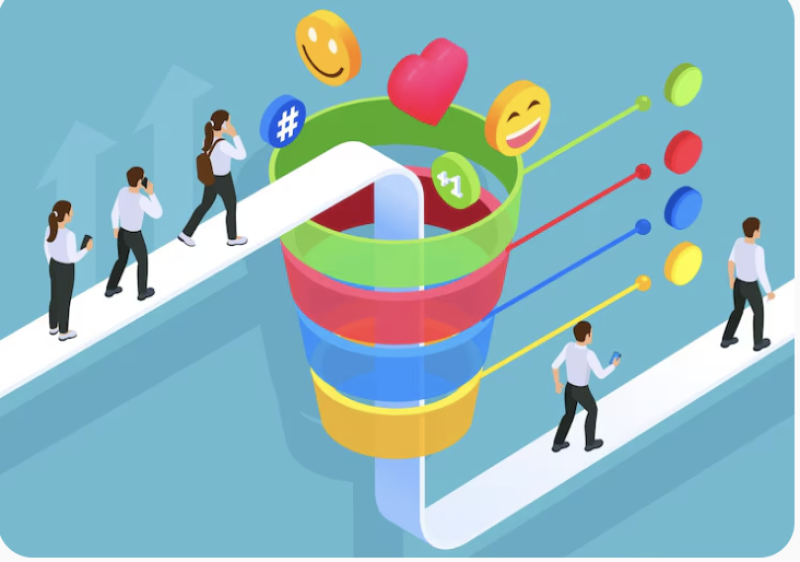
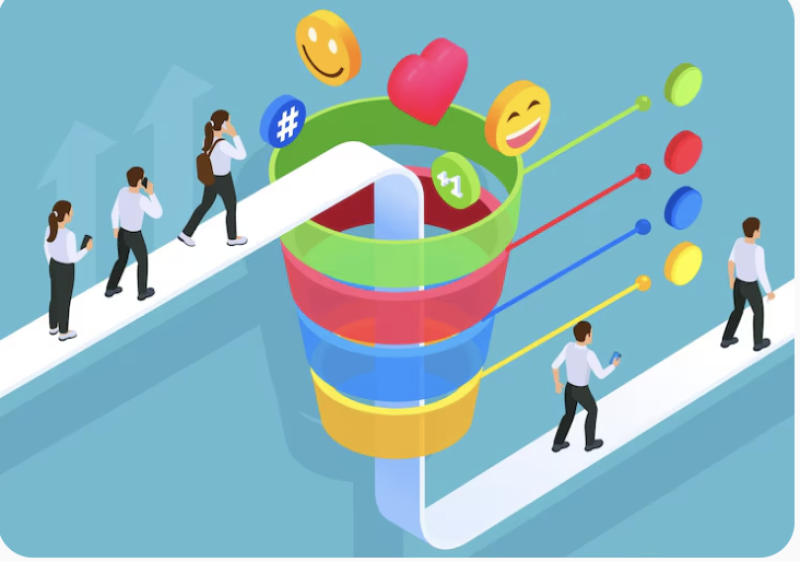
So a funnel. You know what a funnel looks like right? Wide at the top, narrow at the bottom. That's literally it.
At the top, you have a bunch of people who don't know you exist. In the middle, some of those people start paying attention. At the bottom, a few of them actually become customers.
The funnel thing is just describing that journey. How many people come in at each stage and how many drop out.
Most business owners are obsessed with getting more people in at the top. More traffic. More awareness. More ads. But they ignore the bottom of the funnel where actual conversions happen.
If you have a leaky funnel — like you get 1000 people interested but only 5 actually buy — the problem isn't that you need more traffic. The problem is your funnel is broken somewhere in the middle.
The Stages Are Actually Pretty Simple
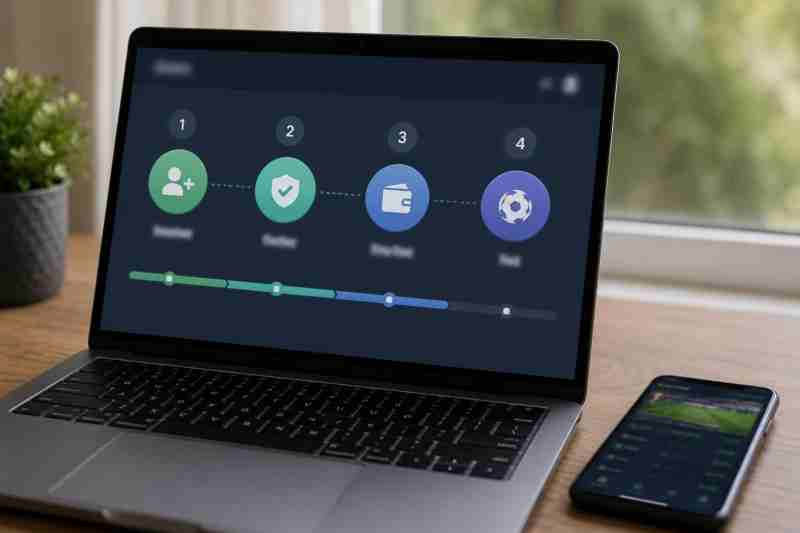
At the very top is awareness. Someone realizes you exist. Maybe they saw a post of yours. Maybe a friend mentioned you. Maybe they searched for something and found your website. That's it. That stage is just "hey, this business is a thing."
Then there's interest. They didn't just see you exist, they actually want to know more. They read your blog post. They scroll through your Instagram. They watch your video. They're evaluating whether what you do matches what they need.
Then comes consideration. Now they're actually thinking "should I buy this." They're comparing you to other options. They're checking your pricing. They're reading reviews. This is the stage where they're starting to believe you might actually solve their problem.
Finally, there's decision. They buy. Or they don't. They either move forward or they leave.
Some people add more stages but honestly those four cover most of it. And the key insight is that what works at the awareness stage is completely different from what works at the decision stage.
Why Most Funnels Are Broken
I had this client once — a therapist trying to build a practice. She was paying for ads to get people to her website. The ads were good. She was getting clicks. But almost nobody was converting to actual clients.
We looked at her website. Her homepage said "Therapy Services." That's it. Just those two words. Someone clicked her ad thinking "okay I need a therapist" and landed on a page that said absolutely nothing about how to actually book an appointment or what to expect.
Her funnel was leaky at the very beginning of the decision stage. People were interested, wanted to buy, and then couldn't figure out how.
We added a clear button. "Book Your First Session." We explained what the first session would look like. We added a brief bio. Suddenly she's getting actual client bookings.
The problem was never getting more traffic. The problem was her funnel wasn't set up to convert the traffic she already had.
The Different Types of People In Your Funnel
Here's something nobody tells you. Different people move through the funnel at different speeds. And you need different messages for each speed.
Some people see you once and buy immediately. Maybe they've been looking for exactly what you offer for months and you're the first one they found. They move through the funnel in like 30 minutes.
Other people need to see you six or seven times before they trust you enough to buy. They're slower. But they're also often more loyal customers because they've really thought it through.
You need to build your funnel for both types. You need a quick path for the fast movers. And you need a slow nurture path for the people who need convincing.
Most people only build for one. They either optimize for speed or they optimize for trust. Not both.
Email Is Still The Best Funnel Tool
I know everyone wants to talk about fancy retargeting ads and automations. But honestly the simplest, most effective funnel tool is still email.
Someone lands on your website. You capture their email. Now you can actually have a conversation with them over time.
You send them something useful. Then a few days later you send them something else. You're slowly building relationship and trust.
Then when they're ready to buy, you have a clear offer in front of them.
It's almost boring how well this works. Like it's so simple that everyone overlooks it.
But if you're running ads to get traffic and you're not capturing emails, you're basically paying to get someone's attention once and hoping they remember you later. They won't.
The Honest Truth About Funnels
Building a real funnel takes time. You can't just set it up once and walk away. You have to continuously test and fix it.
What's your bounce rate? Are people landing on your site but immediately leaving? Then your landing page has a problem.
How many people are signing up for your email list? If it's super low, maybe your value proposition isn't clear.
How many email subscribers become customers? If it's low, maybe your email sequence isn't compelling enough.
Every stage has metrics. And if one stage is underperforming, that's where you focus.
Most people get overwhelmed by this. But you don't have to fix everything at once. Fix one thing. Measure it. Move to the next thing.
The Most Important Thing To Understand
The goal of your funnel at every stage is different.
At awareness, your goal is just to be seen. That's it. The message is "hey we exist."
At interest, your goal is to show you understand their problem. "We know what you're dealing with."
At consideration, your goal is to show you have a solution. "Here's how we can help."
At decision, your goal is to remove objections. "Here's why you should choose us."
If you're sending a decision-stage message to someone in the awareness stage, they're going to ignore you. They don't even care about the solution yet. They're just trying to figure out what the problem is.
Get the message right for the stage. That's literally the whole game.
Everything else — fancy ads, automated sequences, beautiful landing pages — that's all just tools to deliver the right message at the right stage.
Understand the funnel. Build it properly. Test it constantly. That's how you go from getting traffic that disappears to getting traffic that converts.
Source:
Click for the: Full Story
You might like